When potential customers visit your website, they want to know one important thing:
Can I trust this business to help me?
Your website needs to answer that question.
But there is a difference between demonstrating expertise and simply telling everyone how great you are.
A strong website doesn’t have to shout:
“I’m the best!”
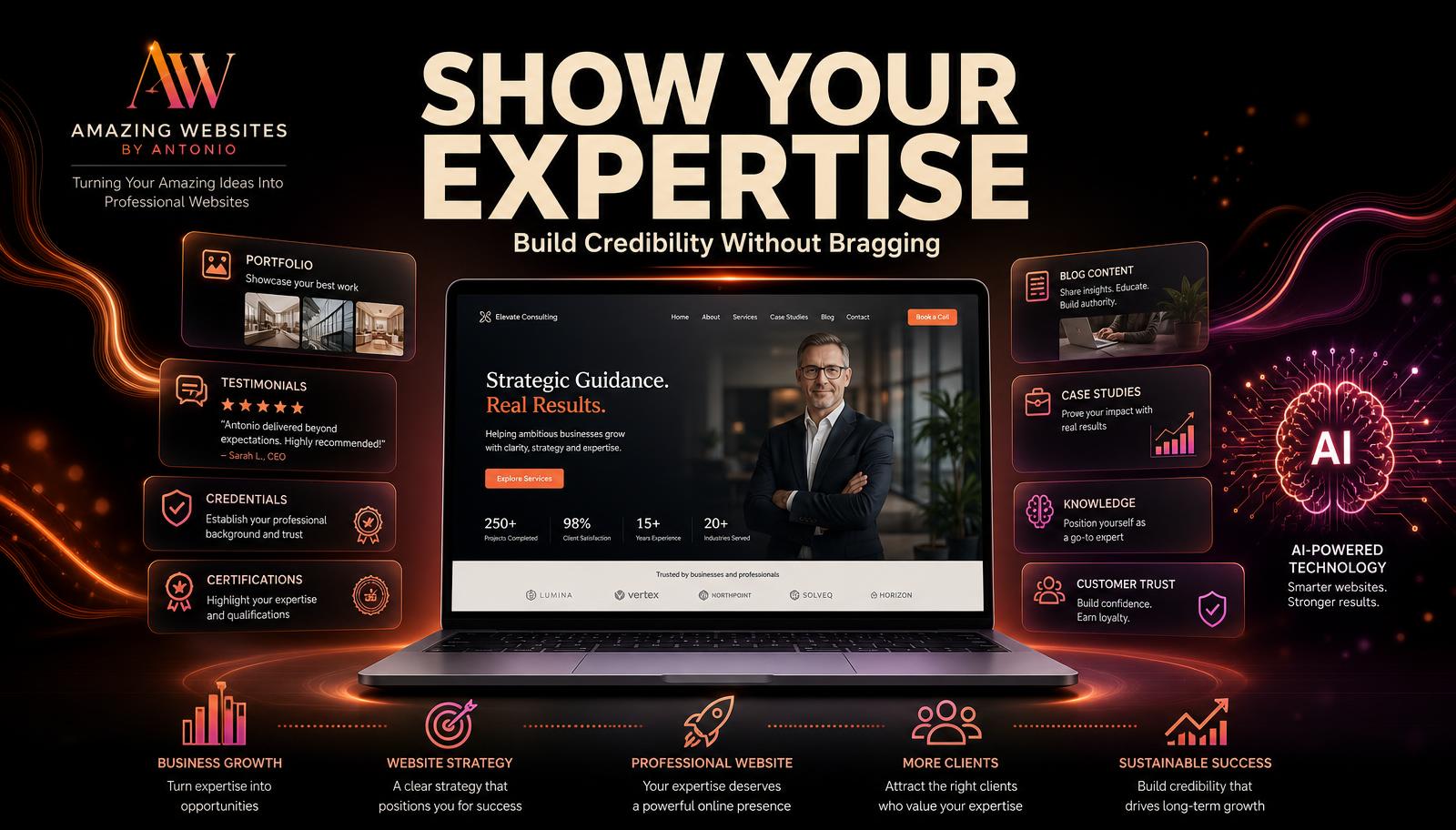
Instead, it can quietly and confidently show visitors your experience, skills, accomplishments, knowledge, and results.
Here are some ways to make that happen.
1. Show What You Know
Instead of simply saying you are an expert, demonstrate your knowledge. Your website can include helpful information about your services, educational resources, FAQs, articles, guides, videos, or blog posts. When visitors learn something useful from you before they ever become customers, they begin to recognize the value you can provide.
2. Let Your Work Speak for You
A portfolio can be one of the strongest forms of credibility. Show examples of projects you have completed and explain the purpose behind them. Don’t just show the finished product. When appropriate, explain:
- The challenge
- Your approach
- What you created
- What skills were involved
- How the project helped
This turns a portfolio from a picture gallery into evidence of your abilities.
3. Share Real Testimonials
You don’t always have to tell customers that you provide a great experience. Let other people tell them. Authentic written and video testimonials can help potential customers understand what it is like to work with your business. Customer experiences can often communicate credibility more naturally than promotional language.
4. Highlight Your Credentials
Certifications, training, education, professional development, awards, publications, and relevant accomplishments can all strengthen your credibility. You don’t need to make them the entire focus of your website. Present them as supporting evidence of the knowledge and experience behind your services.
5. Explain Your Process
People often trust businesses more when they understand what will happen after they say yes. Explain your process clearly. For example:
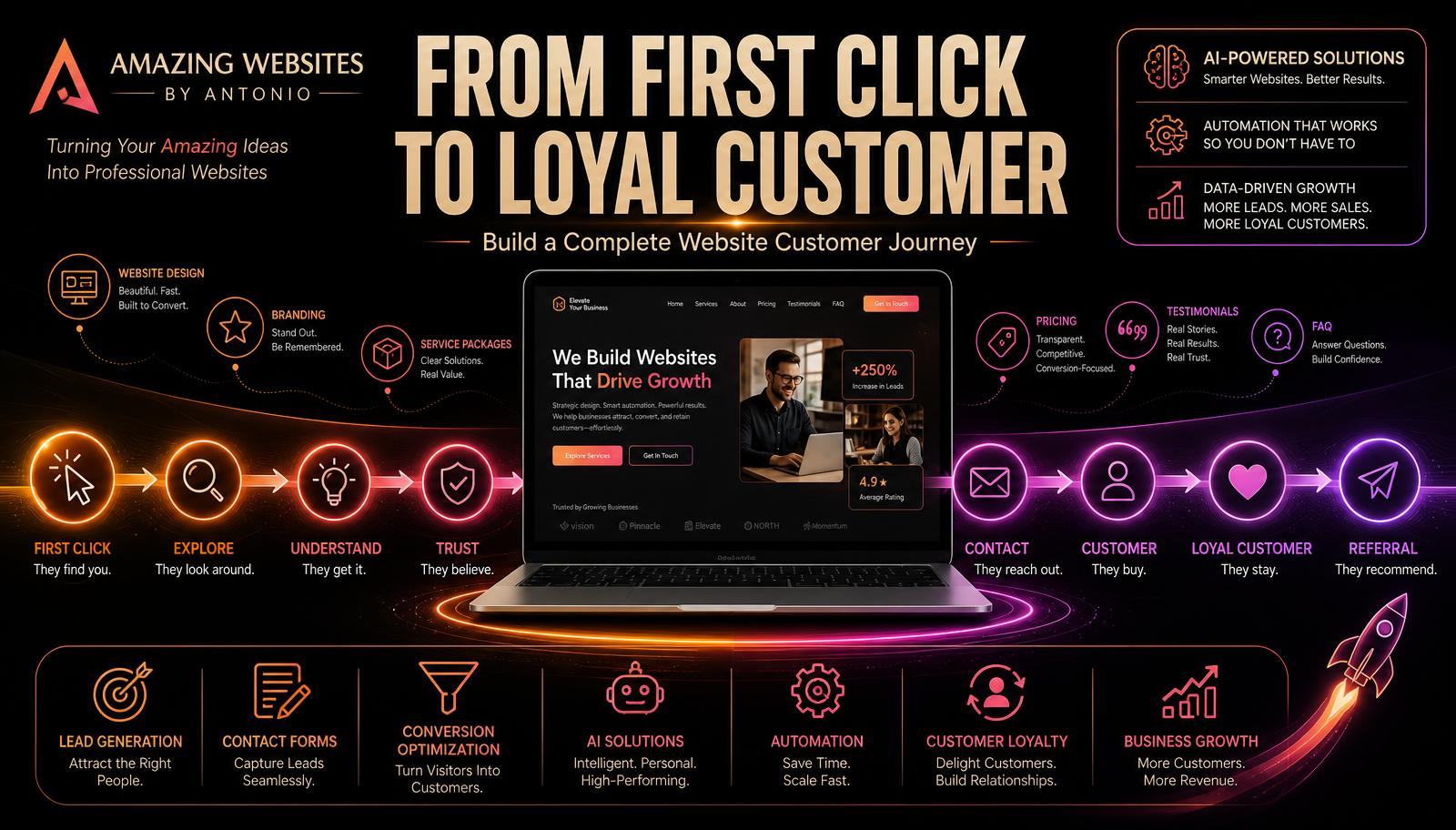
Discovery → Planning → Creation → Review → Launch → Support
A clear process demonstrates organization and professionalism while helping customers feel more comfortable taking the next step.
6. Teach Through Your Blog
Your blog is more than a place to publish updates. It can become a library of your expertise. Write about questions your customers commonly ask. Explain problems your audience experiences. Share practical tips. Discuss industry trends. Help visitors make better decisions. Over time, your content can become evidence of what you know.
7. Be Specific About What You Do
Statements such as:
“We provide great service.”
do not tell visitors very much. Specific language is stronger. Explain exactly what you create, who you help, what problems you solve, and how your services can benefit customers. Specificity builds credibility.
8. Show the Person Behind the Business
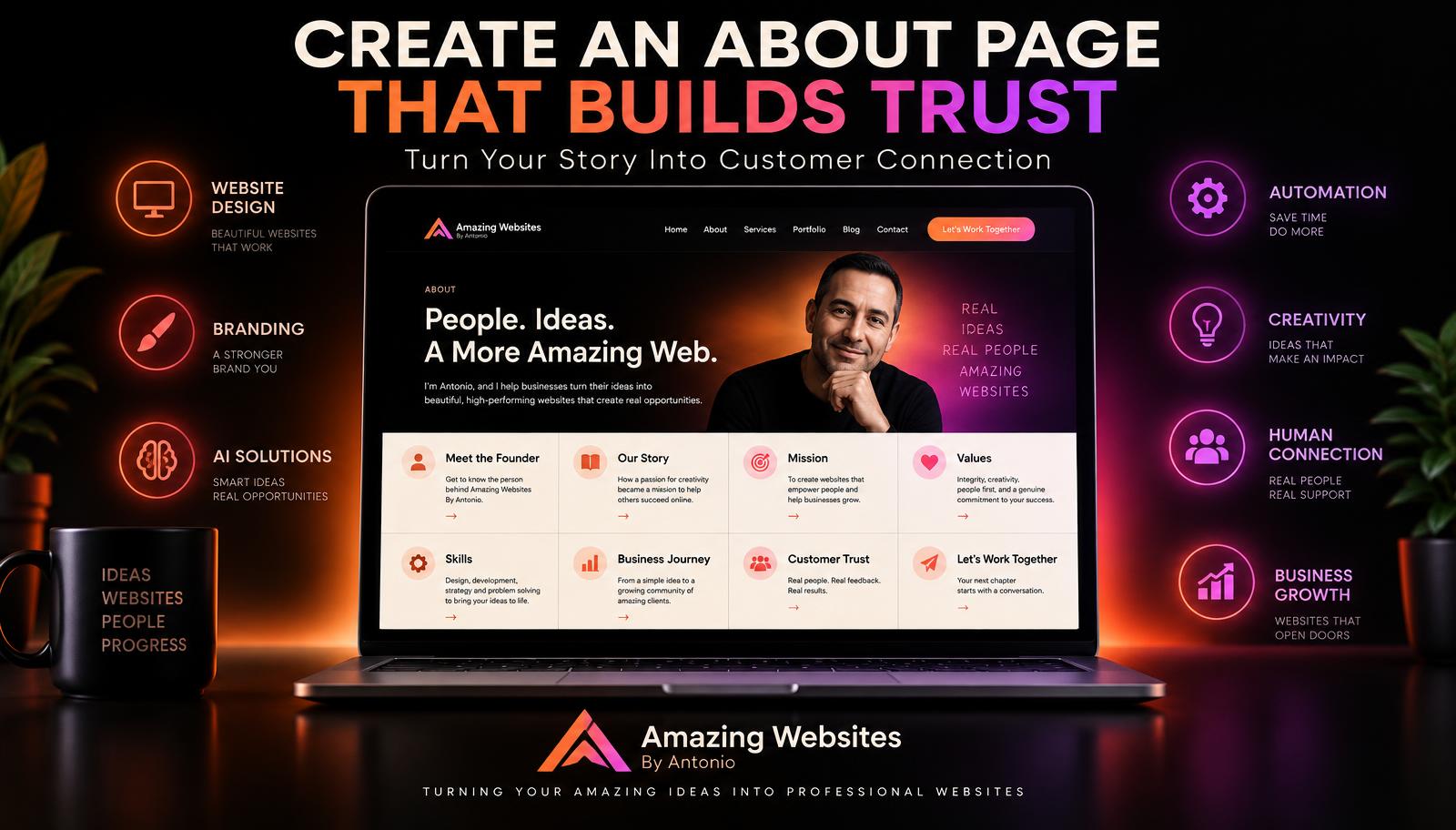
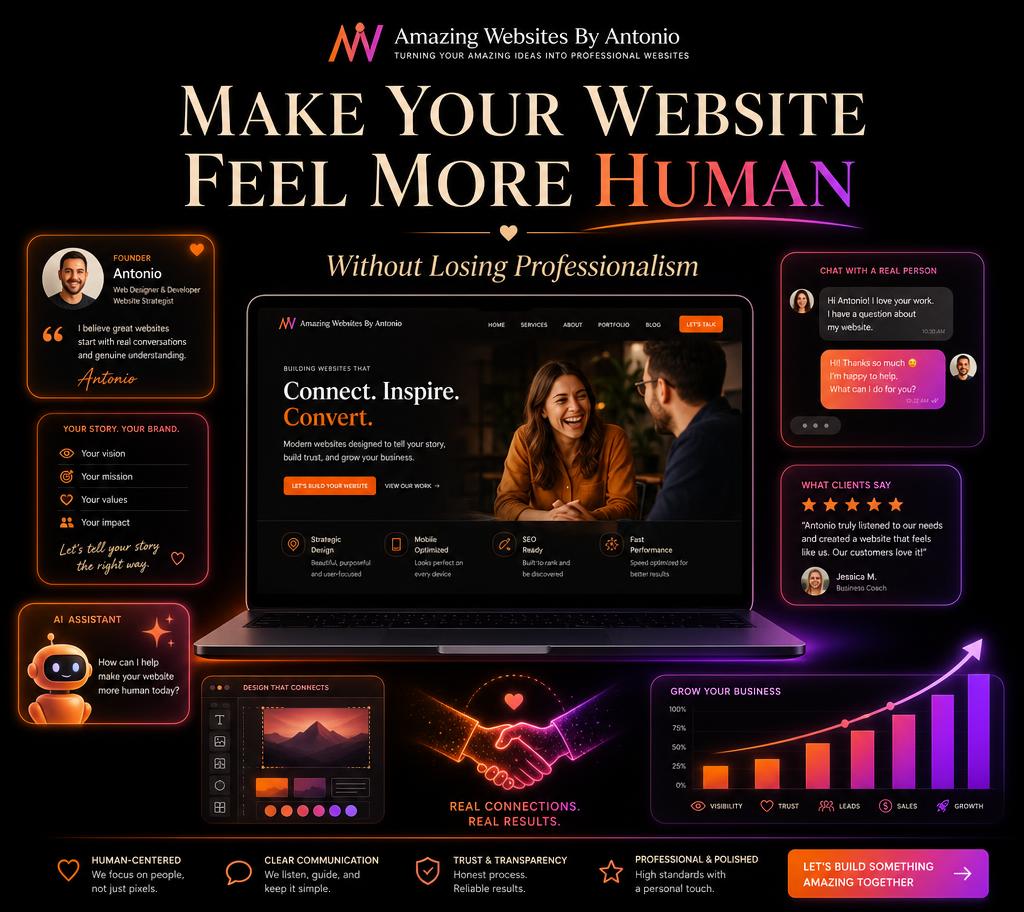
Professionalism does not require hiding your personality. A founder’s photo, personal message, story, values, and reason for starting the business can make your expertise feel more human. Customers are not only evaluating your skills. They are also deciding whether they feel comfortable working with you.
9. Use Case Studies
Case studies are another powerful way to demonstrate expertise. A simple case study can explain:
THE CHALLENGE
What problem needed to be solved?
THE SOLUTION
What did you create or recommend?
THE RESULT
What changed after the work was completed?
This allows potential customers to see how you approach real-world problems instead of simply reading claims about your abilities.
10. Answer Difficult Questions
Experts do not avoid questions. They help people understand them. Your FAQ page can address questions about:
- Services
- Process
- Pricing
- Timelines
- Revisions
- Communication
- Technology
- Expectations
Clear answers demonstrate knowledge while reducing uncertainty.
11. Make Your Website Professional
Your expertise can be undermined if your website feels unfinished. Broken links, outdated information, confusing navigation, spelling mistakes, poor mobile design, or slow pages can affect how visitors perceive your business. Your website itself should demonstrate the quality you promise to customers.
12. Don’t Try to Know Everything
Credibility does not require pretending that you can do everything. Be clear about what you specialize in. A focused business often appears more trustworthy than one that claims to be an expert in every possible service.
13. Use Confident Language Without Exaggeration
Compare these two statements:
“We are the greatest website company you’ll ever find.”
versus:
“We create professional websites, branding, and AI-powered solutions designed to help businesses build a stronger digital presence.”
The second statement communicates confidence while explaining actual value. You do not need exaggerated claims when your work can support your message.
14. Keep Building Your Expertise
Your website should grow as you grow. Add new projects to your portfolio. Update your credentials. Publish new articles. Share new testimonials. Improve your services. Document important milestones. Your website should reflect the business you are becoming, not only the business you were when the site first launched.
Expertise Is Demonstrated, Not Announced
The strongest businesses do not need to constantly tell customers how impressive they are. They demonstrate it.
Through helpful information.
Through quality work.
Through customer experiences.
Through professionalism.
Through consistency.
Through results.
Your website gives you the opportunity to bring all of those pieces together. When visitors can see your knowledge, understand your process, explore your work, hear from people you have helped, and learn the story behind your business, credibility begins to build naturally.
You do not have to brag.
Show the work.
Share the knowledge.
Demonstrate the value.
Let your expertise speak for itself.
Amazing Websites By Antonio
Turning Your Amazing Ideas Into Professional Websites