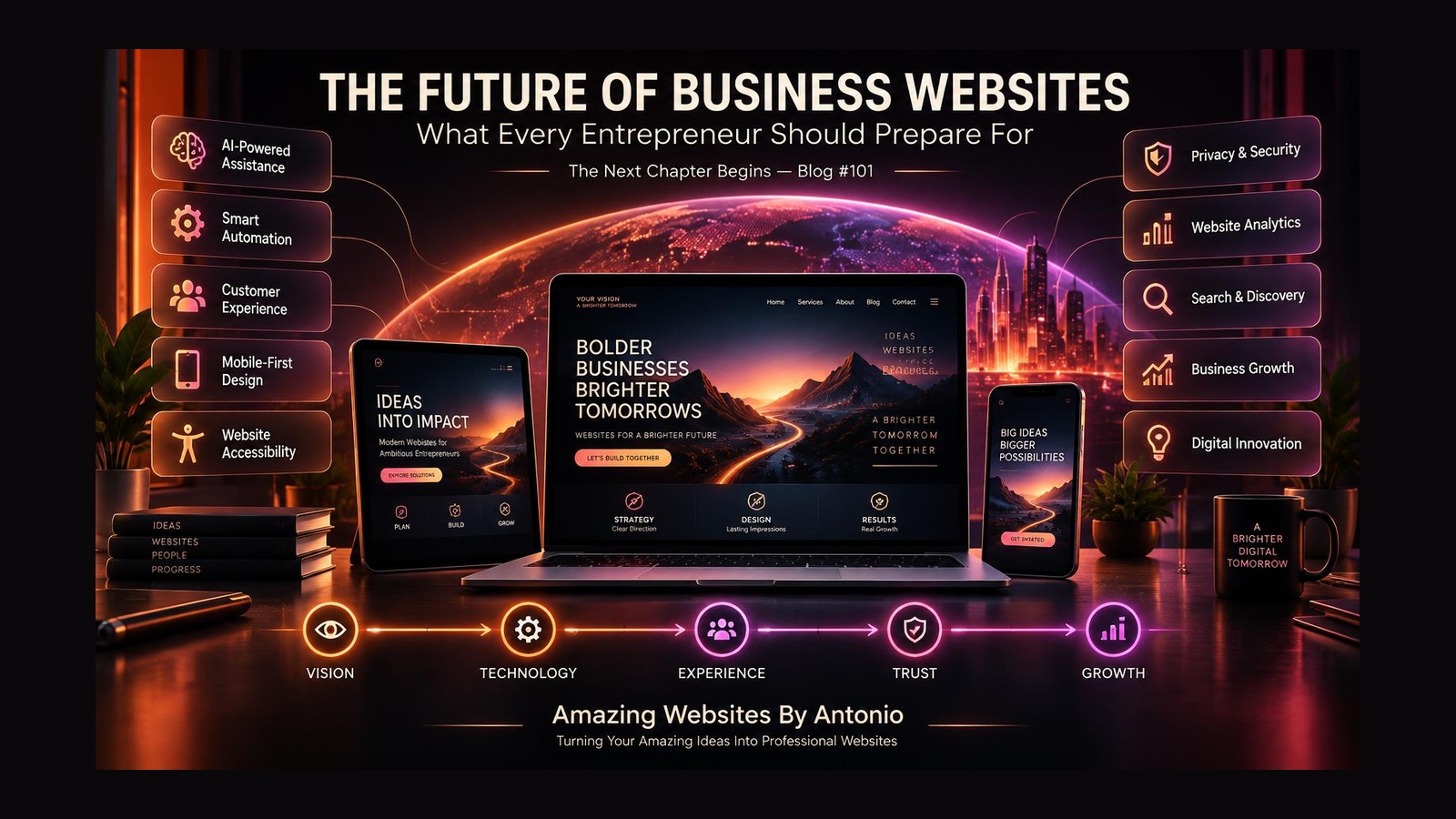
The Future of Business Websites: What Every Entrepreneur Should Prepare For
The Next Chapter of Digital Innovation and Business Growth. Explore 50 ideas, trends, and strategies to prepare your business website for what comes next.
Practical articles on web design, AI for business, SEO, branding, marketing, and growing a small business — updated regularly.

The Next Chapter of Digital Innovation and Business Growth. Explore 50 ideas, trends, and strategies to prepare your business website for what comes next.

A Special 100th Blog Milestone Celebration. 100 Blogs. 100 Ideas. Endless Possibilities. Explore 100 practical ways to strengthen your website, serve your customers, and grow your business.

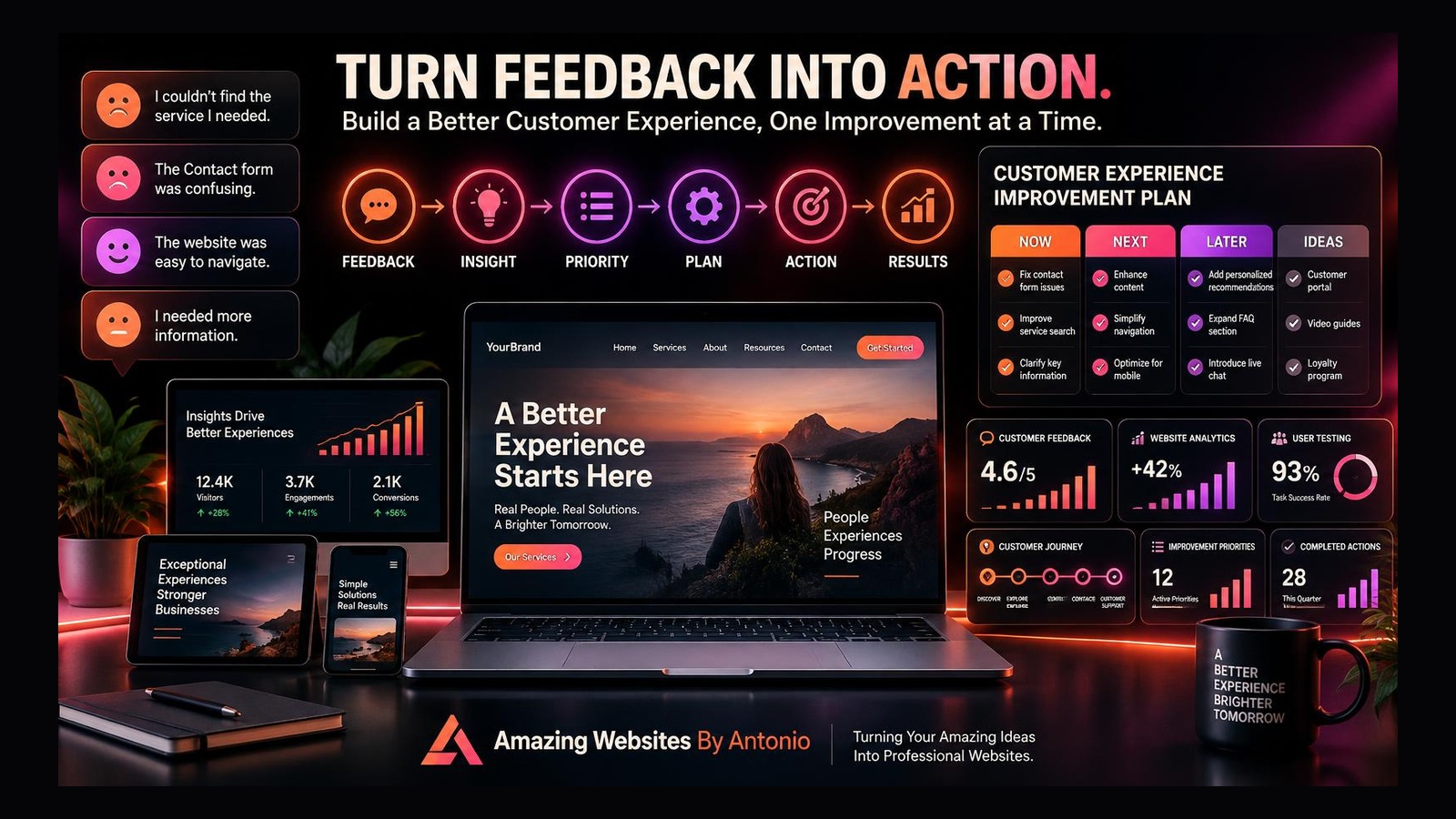
Turn customer feedback, analytics, and website testing into a clear plan that makes every customer journey easier, more helpful, and more effective.

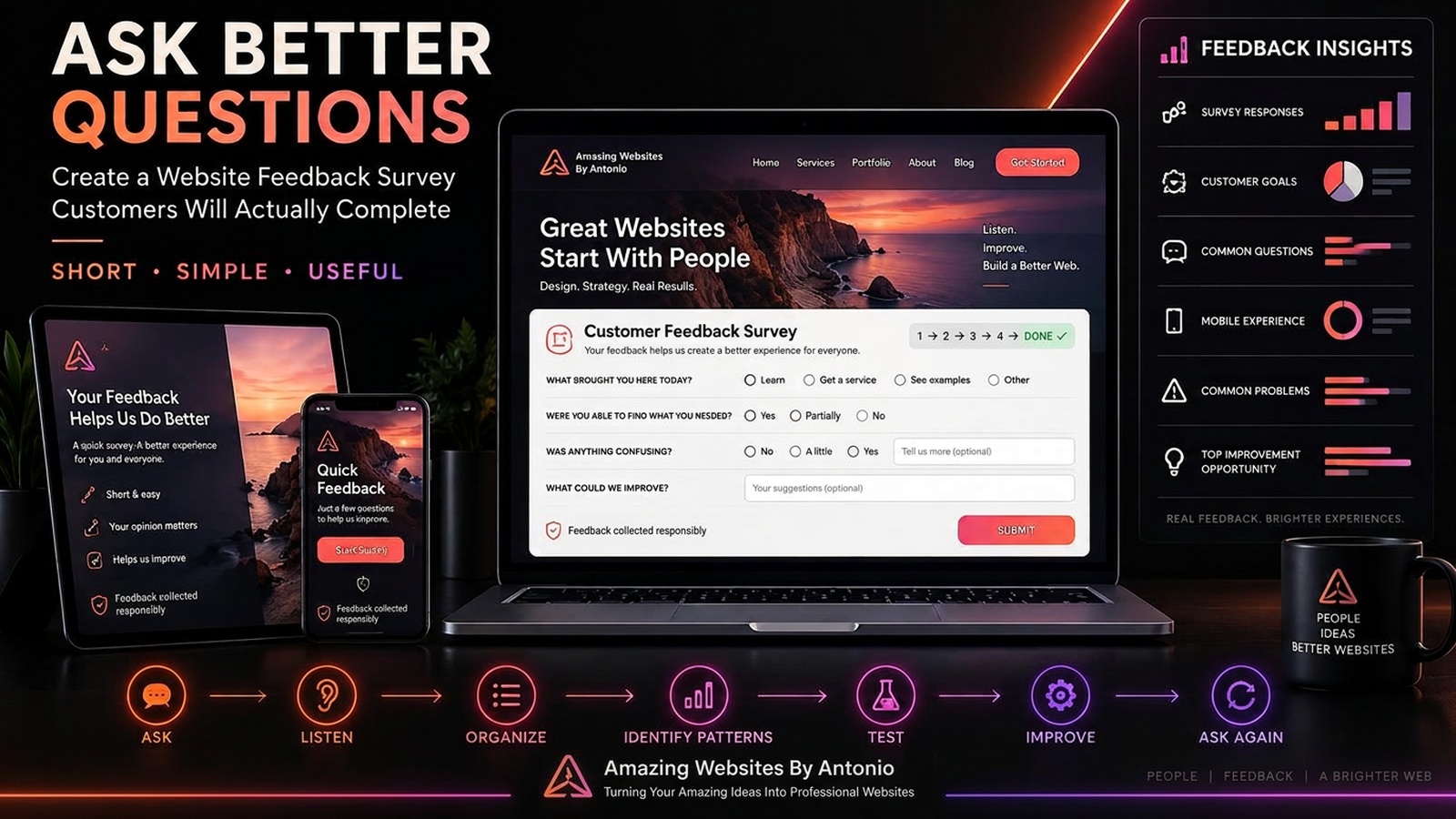
Create a short, focused website feedback survey that respects customers’ time, asks useful questions, protects privacy, and turns responses into thoughtful improvements.

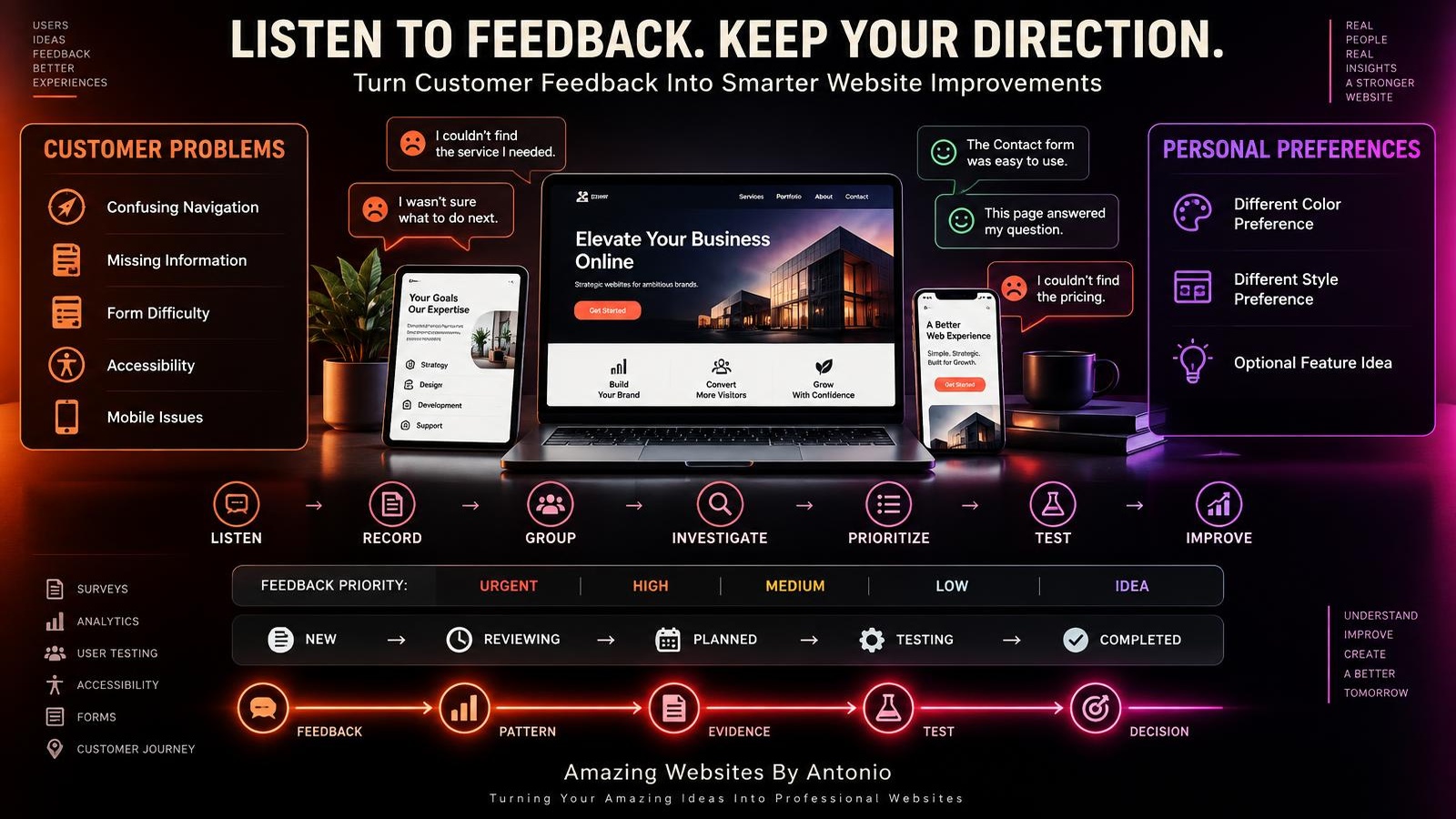
Customer feedback is powerful, but not every opinion should control your design. Learn to identify patterns, investigate problems, protect your brand, and test purposeful website improvements.

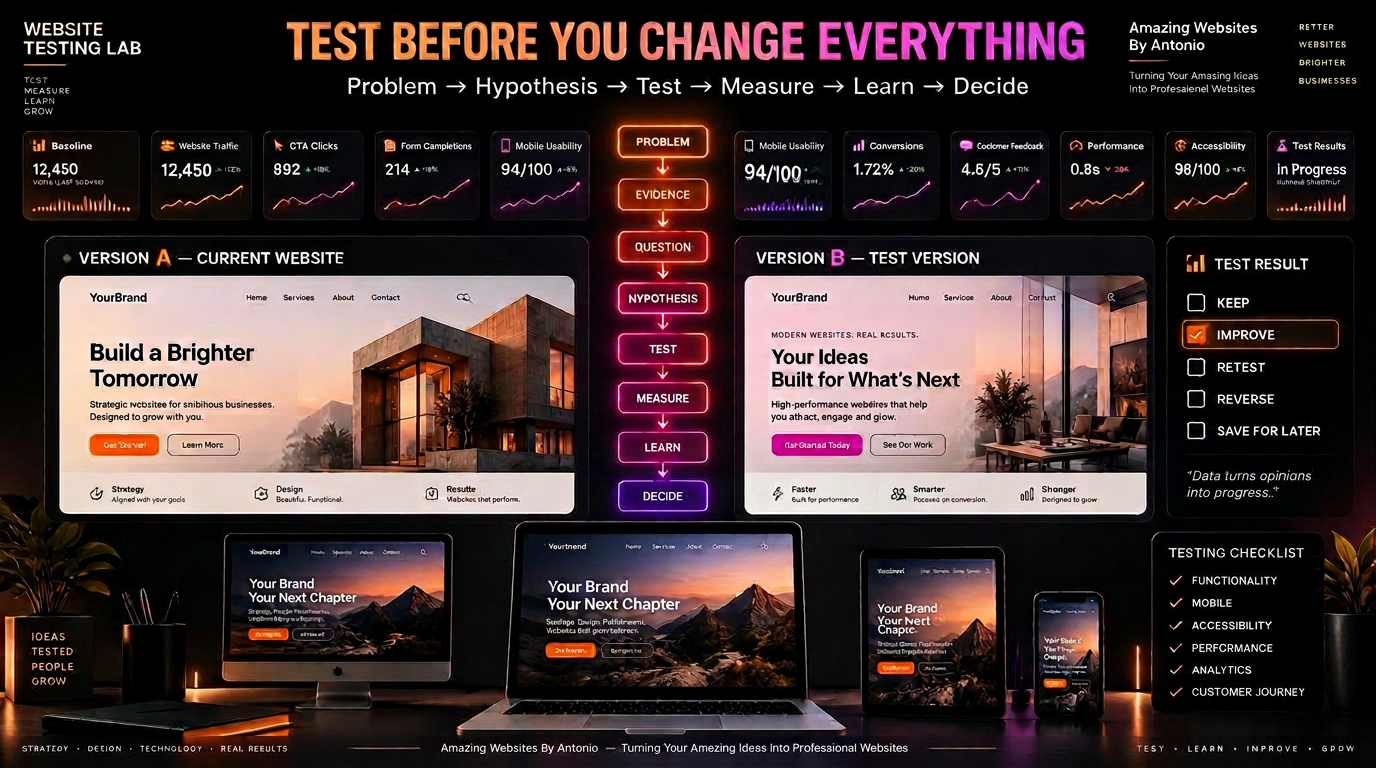
Before you redesign the homepage or change the navigation, build a website testing plan. Learn how to go from problem to hypothesis to test to decision—so every major change is made with purpose, not guesswork.

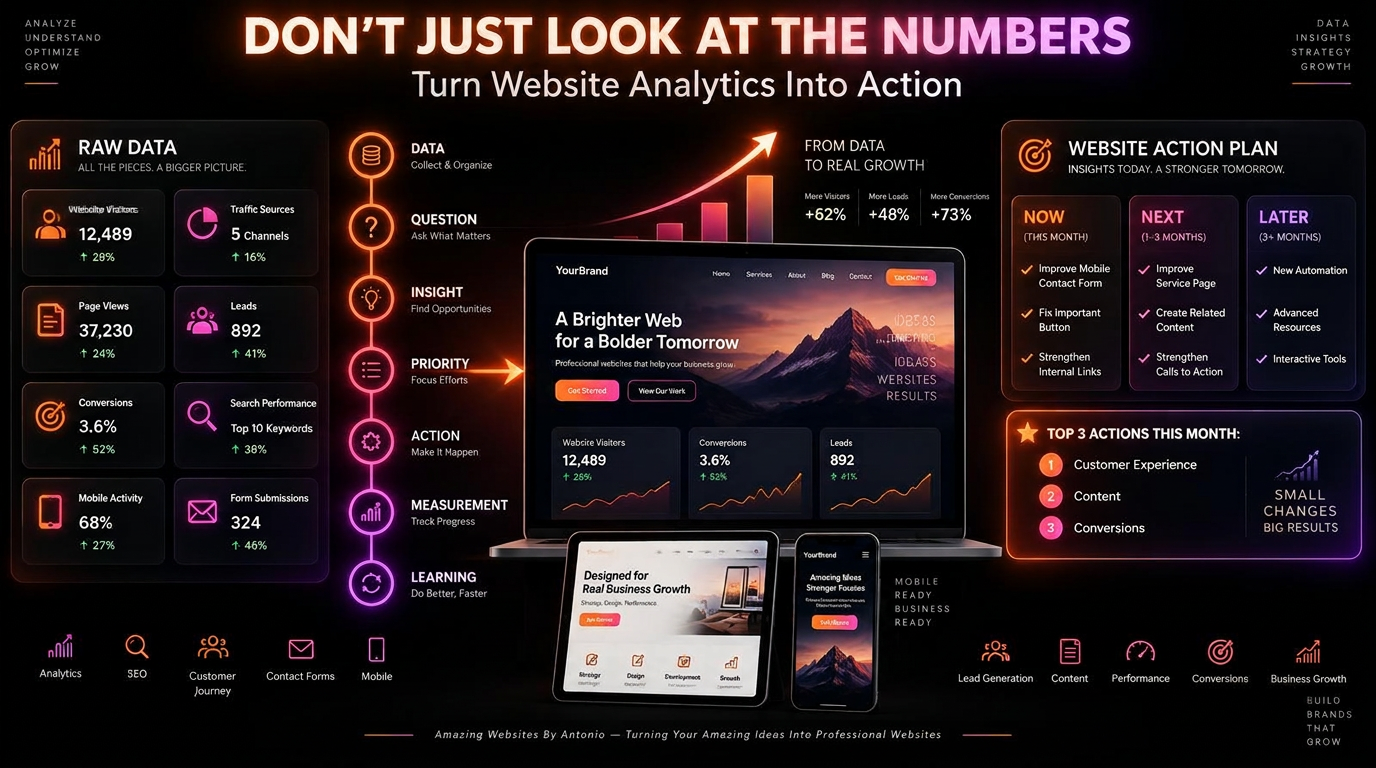
Analytics are only valuable when they lead to action. Learn how to turn your website data into better questions, clear priorities, and a focused action plan that improves your business.

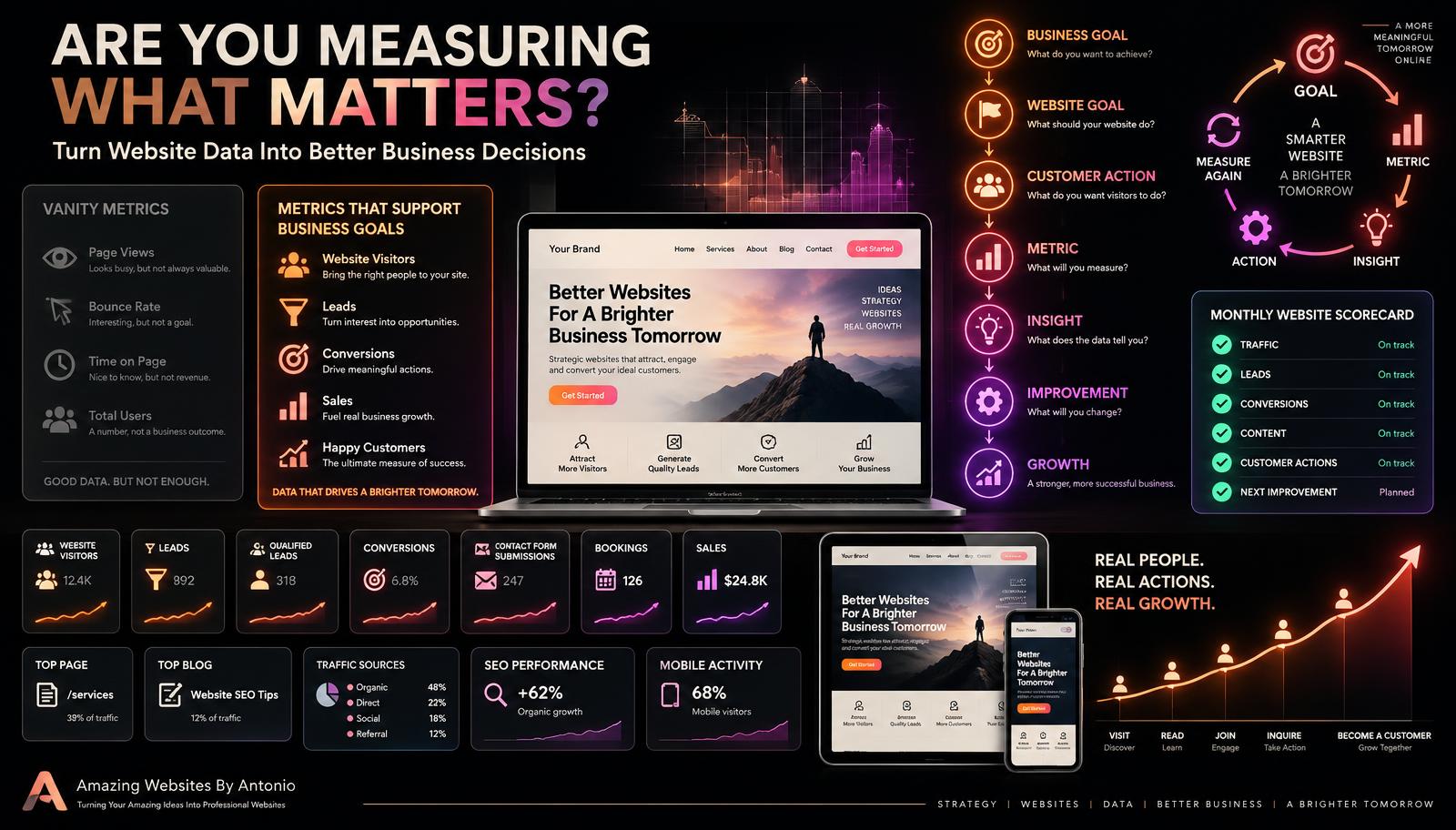
Your website received 1,000 visits. Is that good? Website analytics can give you a lot of numbers, but numbers are not automatically useful. Here is how to choose the metrics that actually help you make better business decisions.

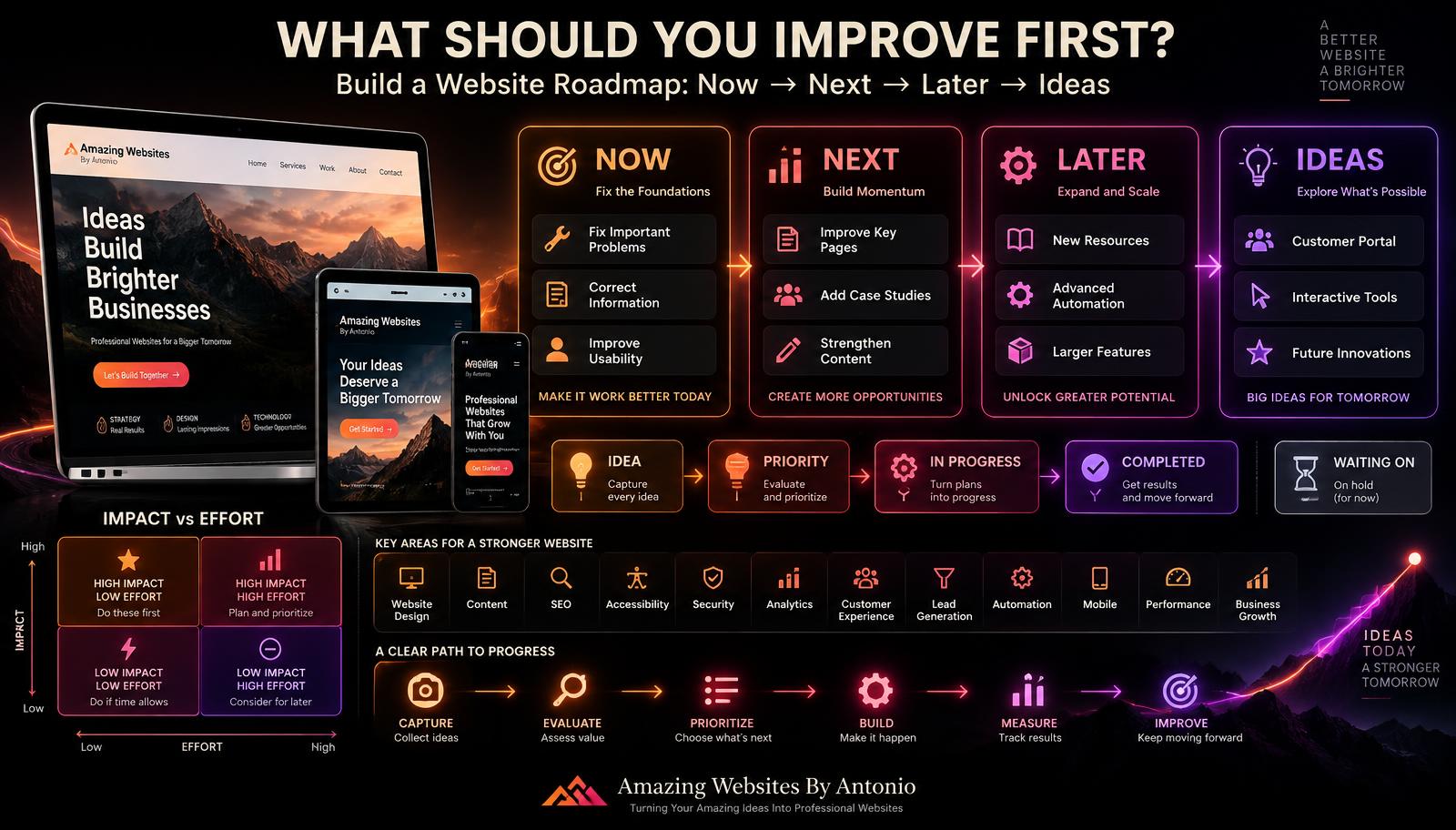
Your website improvement list can start to feel like an entirely new project. Learn how to build a simple roadmap — Now, Next, Later, Ideas — so you fix the right things in the right order and make steady, intentional progress.

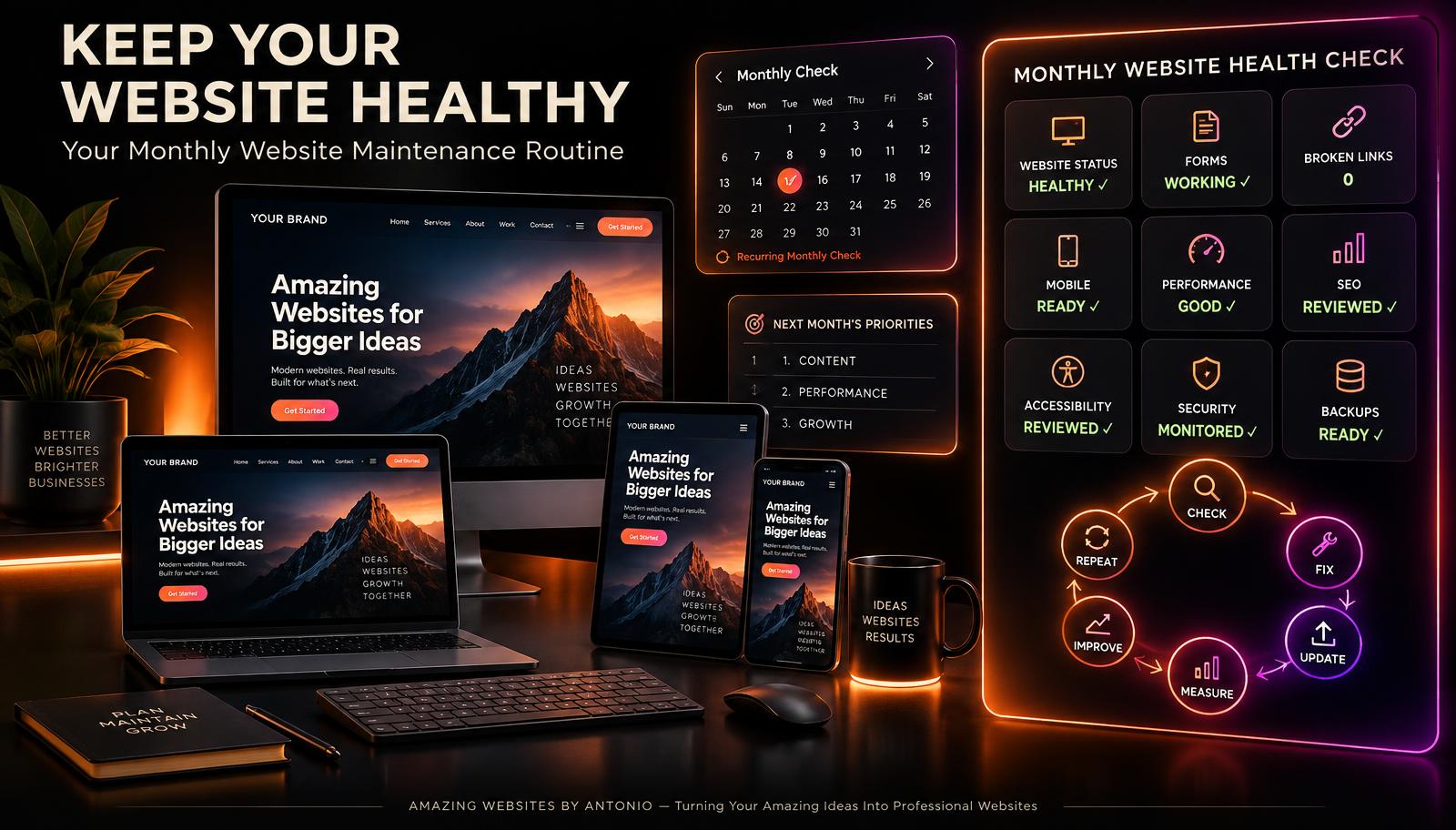
A simple monthly routine helps you catch problems, keep information accurate, and keep improving — here are 40 areas to include in your monthly website maintenance check.

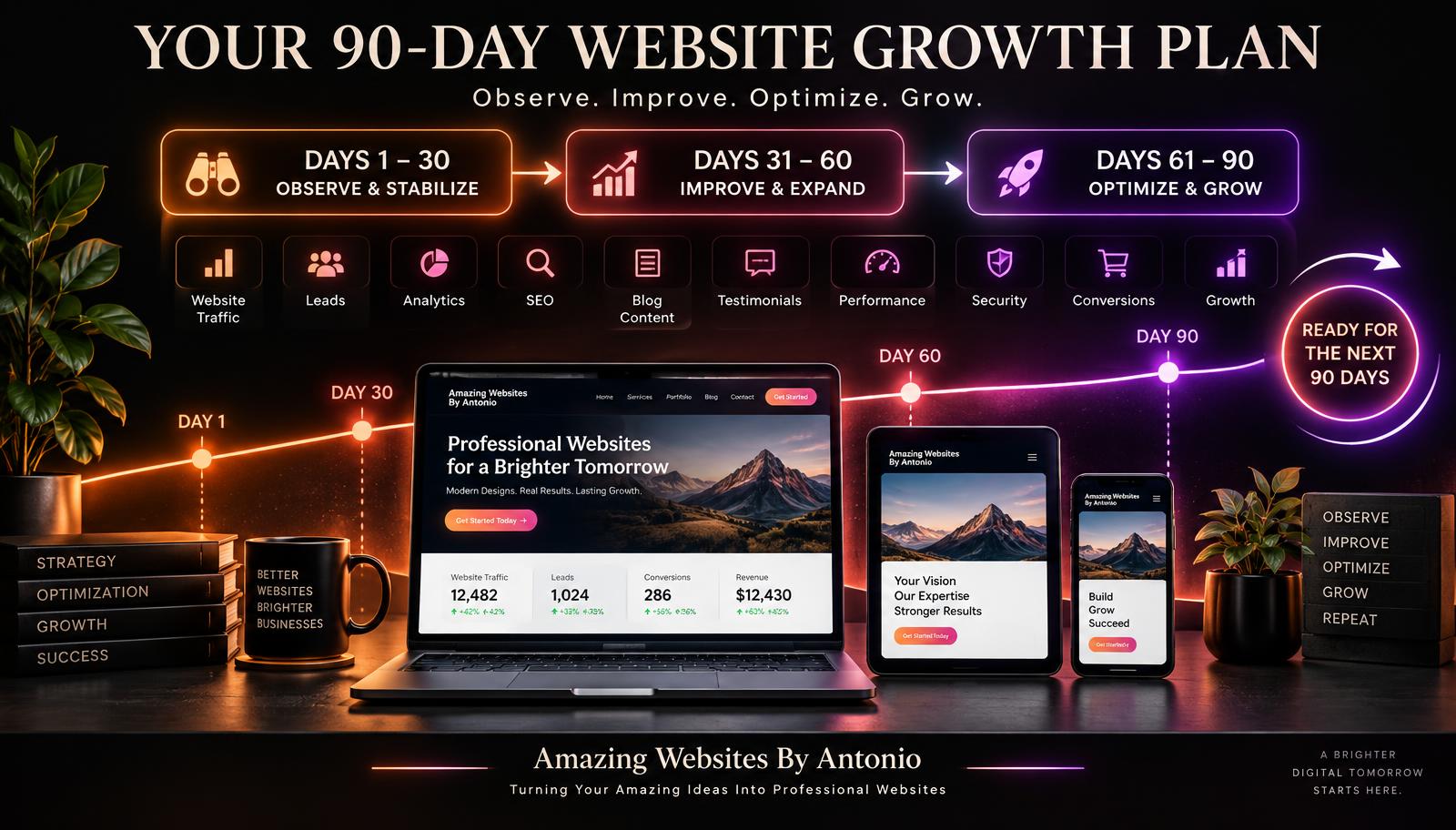
Your website is live — now what? Learn how to organize your first 90 days after launch into three stages: Observe & Stabilize, Improve & Expand, and Optimize & Grow.

To celebrate Blog #90, here are 90 website lessons every business owner should know — covering design, branding, customers, technology, trust, SEO, and growth.

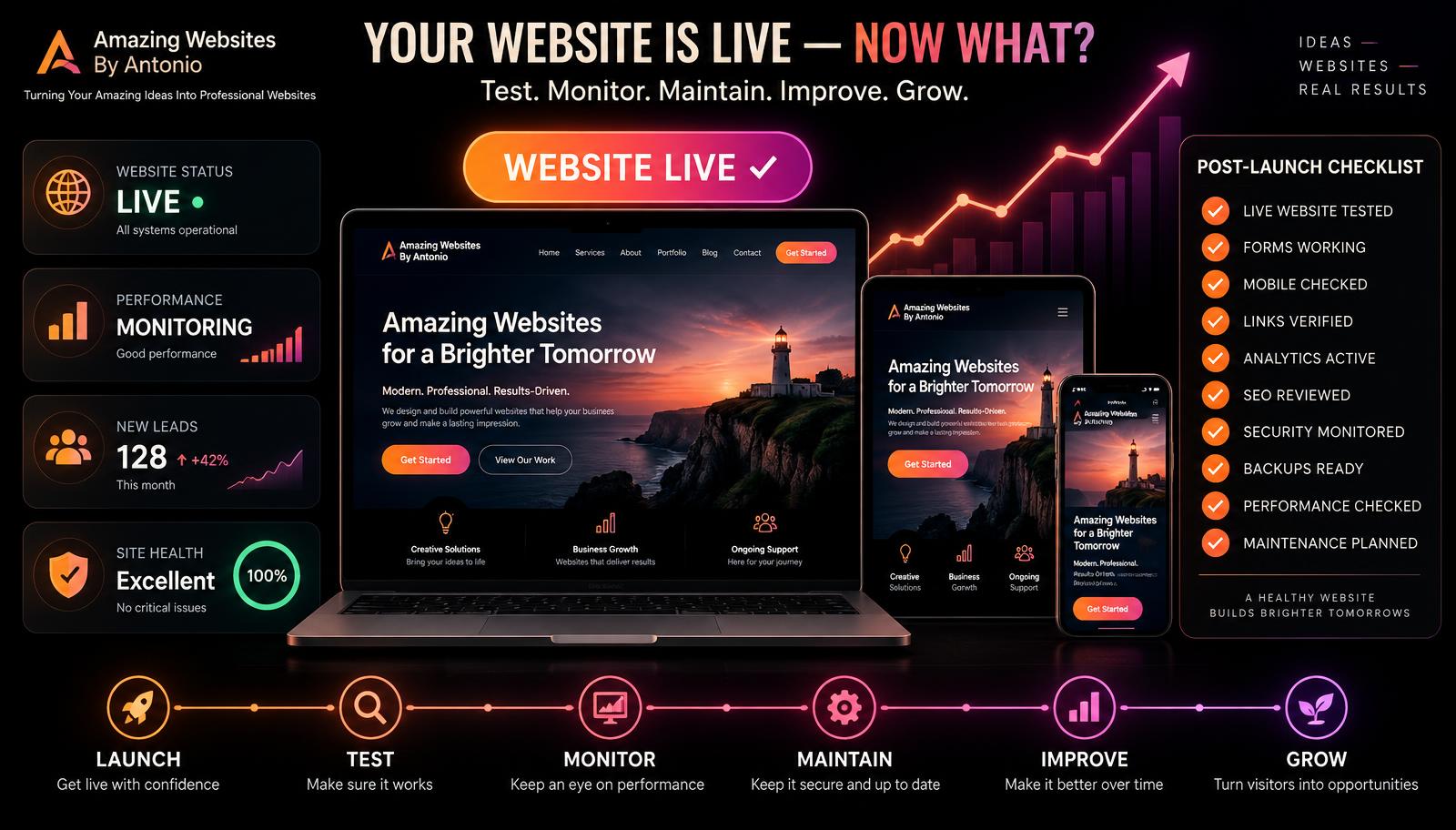
Your website is live — now what? Follow this complete post-launch checklist to test, monitor, maintain, secure, and grow your website long after launch day.

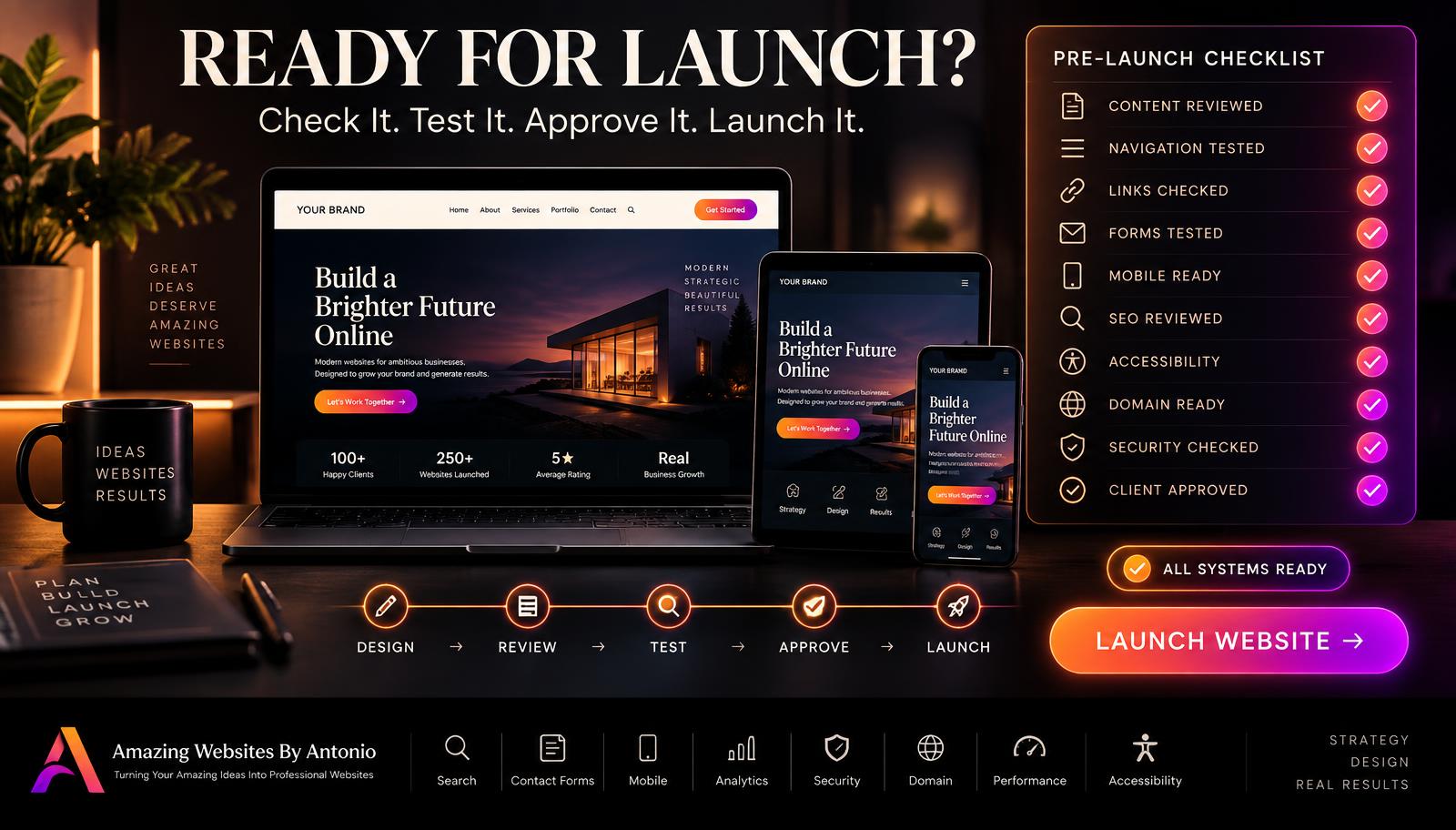
The website is almost finished — but before you press launch, run through this complete pre-launch checklist. From content review and link testing to mobile, SEO, accessibility, and final client approval, here is everything to verify before your website goes live.

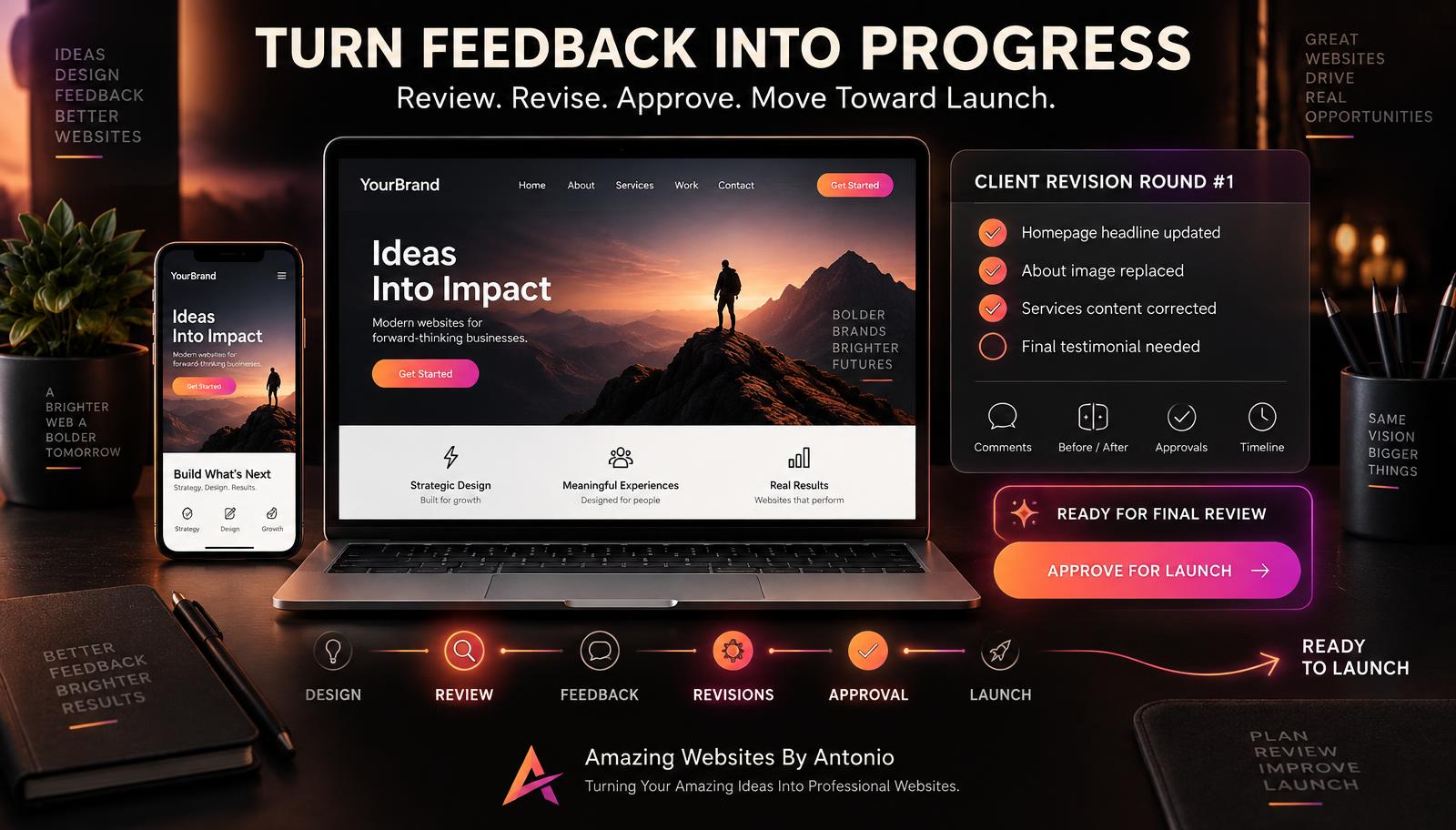
Feedback is a normal part of every website project. The challenge is creating a review and revision process that keeps feedback organized, decisions clear, and the project moving toward launch.

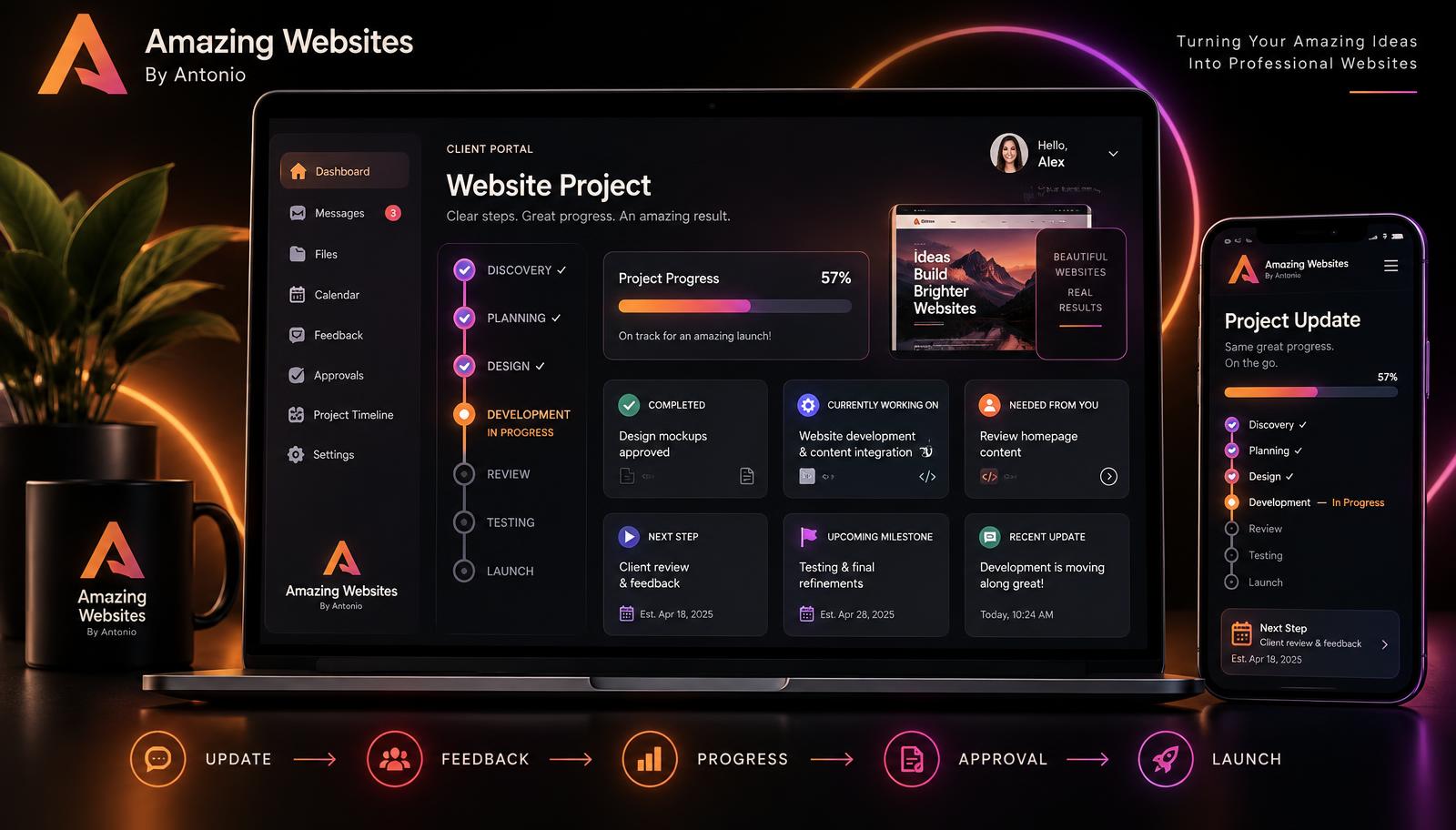
Clients shouldn't have to wonder what's happening with their website — but they don't need a message for every small change either. Here's how to keep clients informed and confident without overwhelming them.

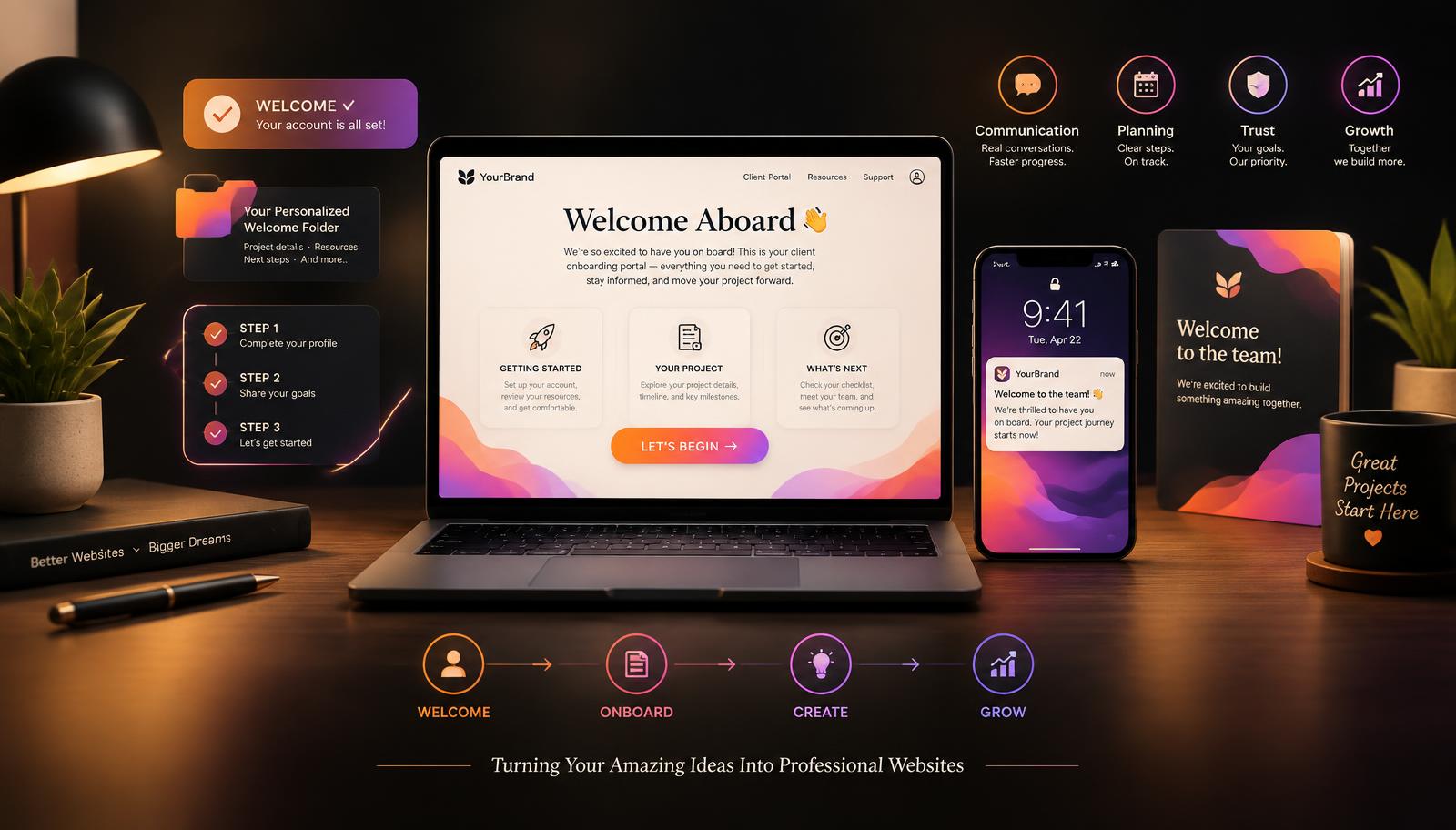
Winning a customer isn't the finish line — it's the beginning of a relationship. Here's how to create a client onboarding experience that makes a great first impression.

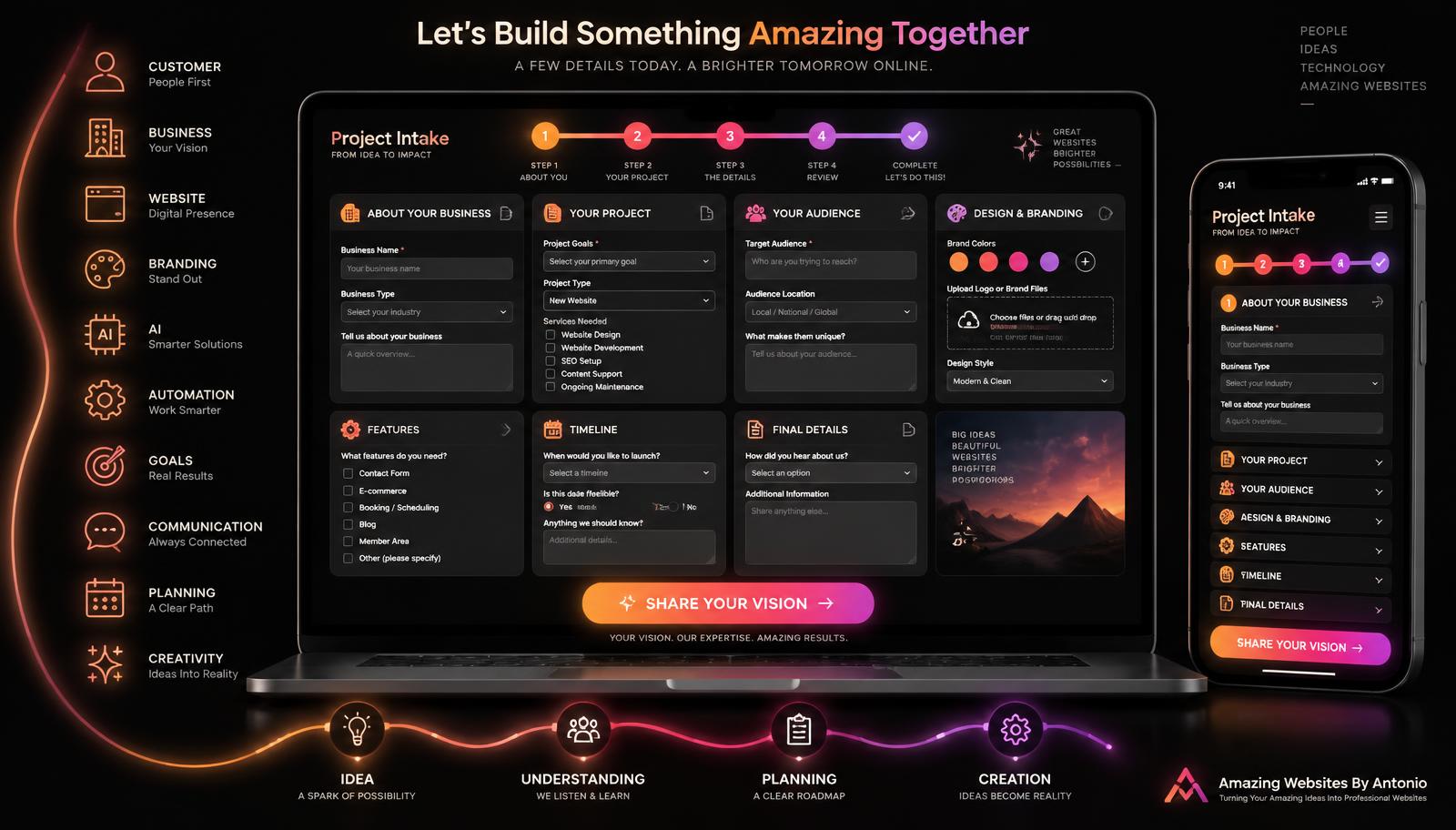
A great project starts with understanding. Learn how to build a project intake form that helps you understand your customer's business, goals, audience, and vision before the first meeting.

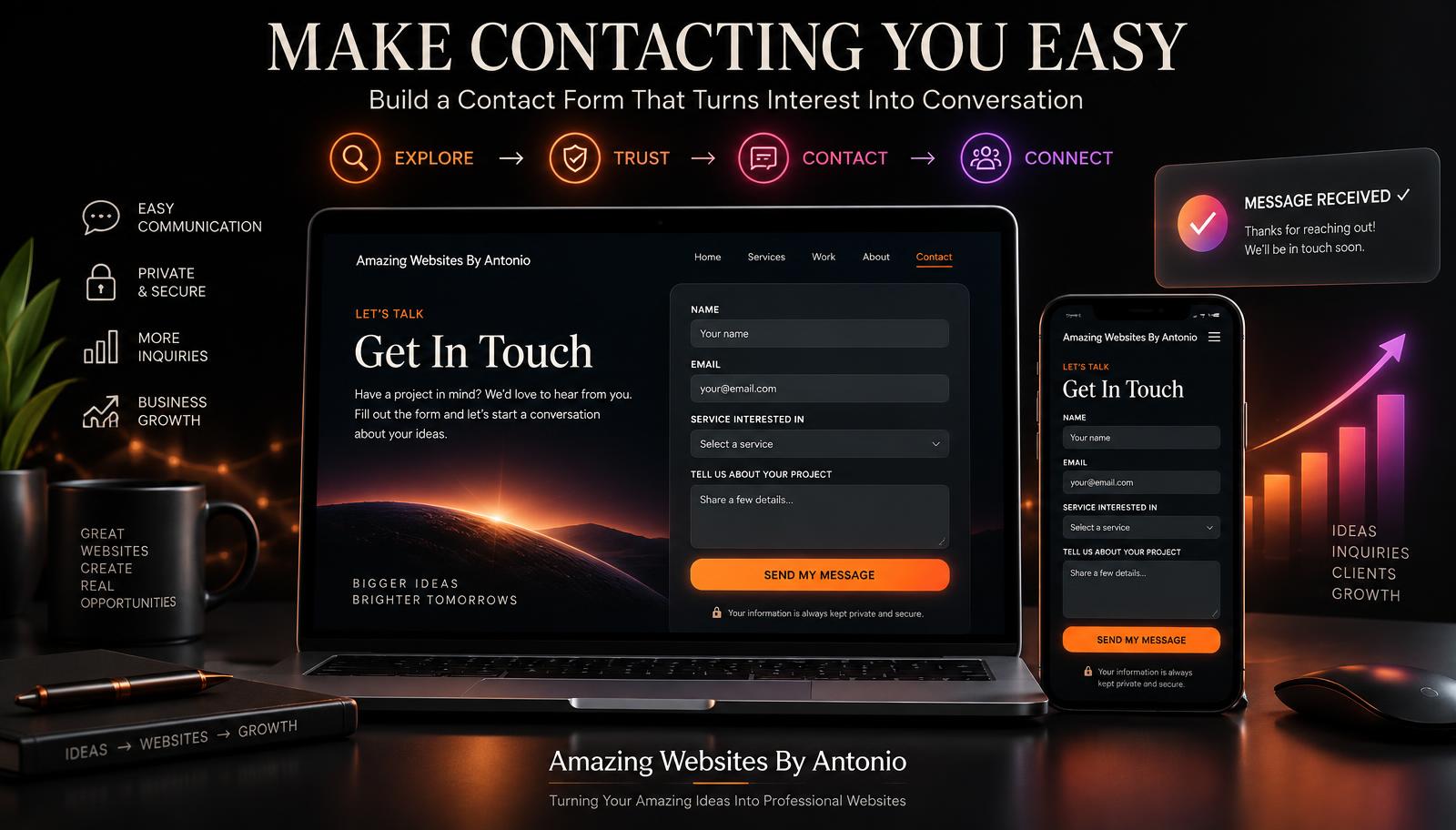
A visitor is ready to contact you — don't lose them at the form. Learn how to build a contact form that feels easy, clear, and welcoming so more visitors turn into real conversations.

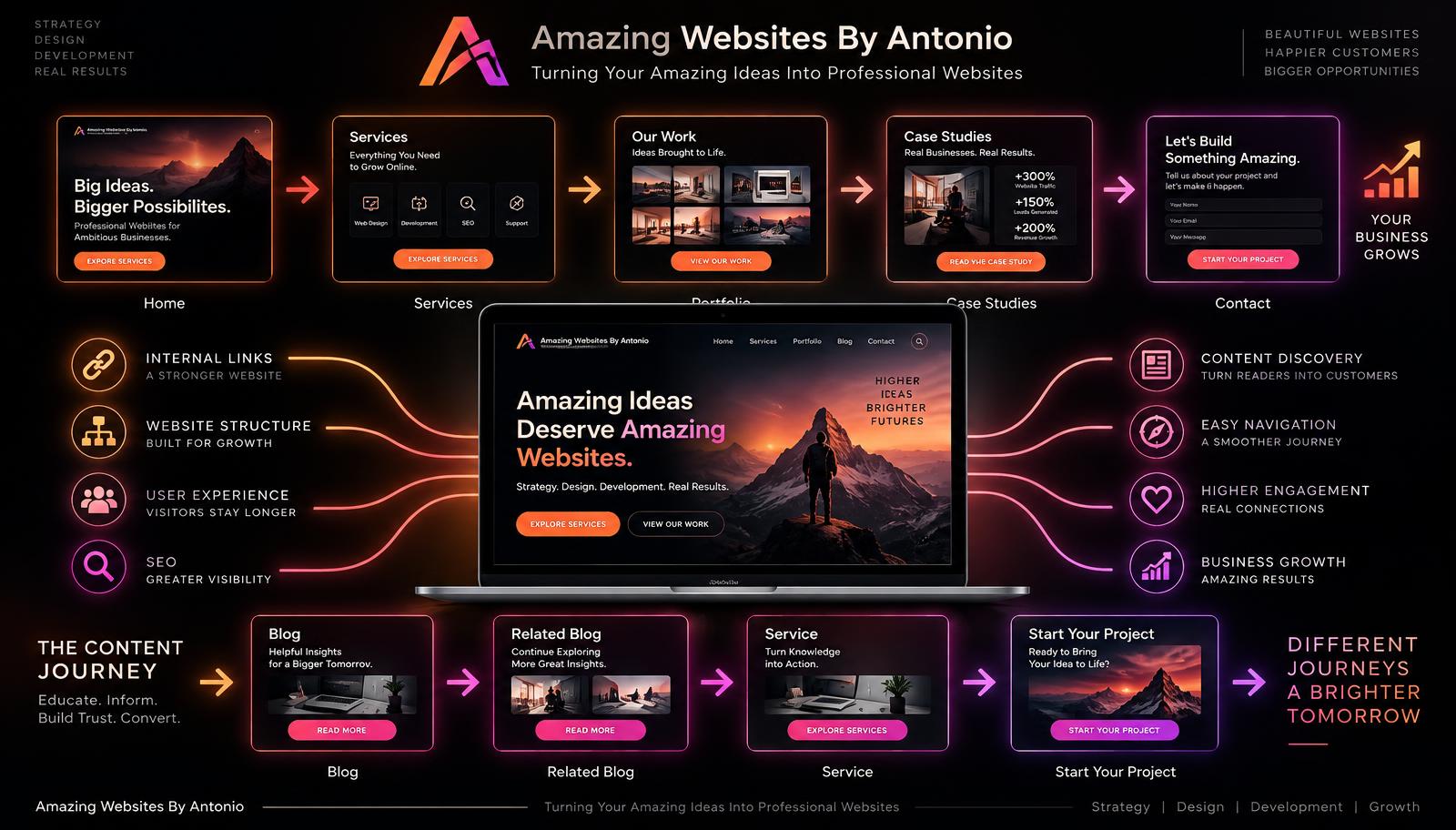
Your website is made up of individual pages — but they shouldn't feel like separate islands. Internal links connect your homepage, services, portfolio, blog, and contact page into one connected journey that keeps visitors exploring.

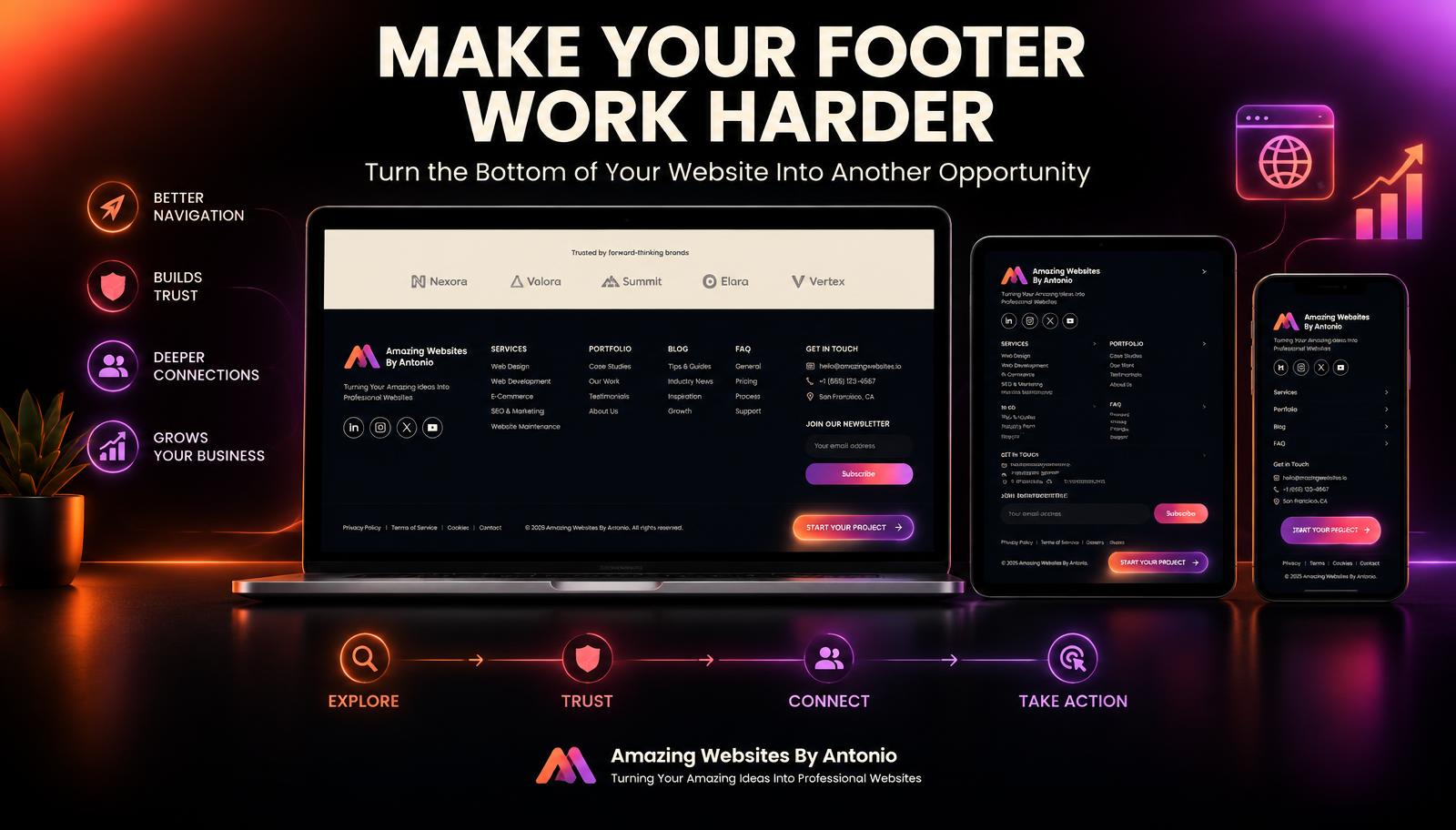
Your website footer may be the last section of a page, but it shouldn't be an afterthought. Learn 20 practical ways to design a footer that improves navigation, builds trust, and gives visitors one final clear call to action.

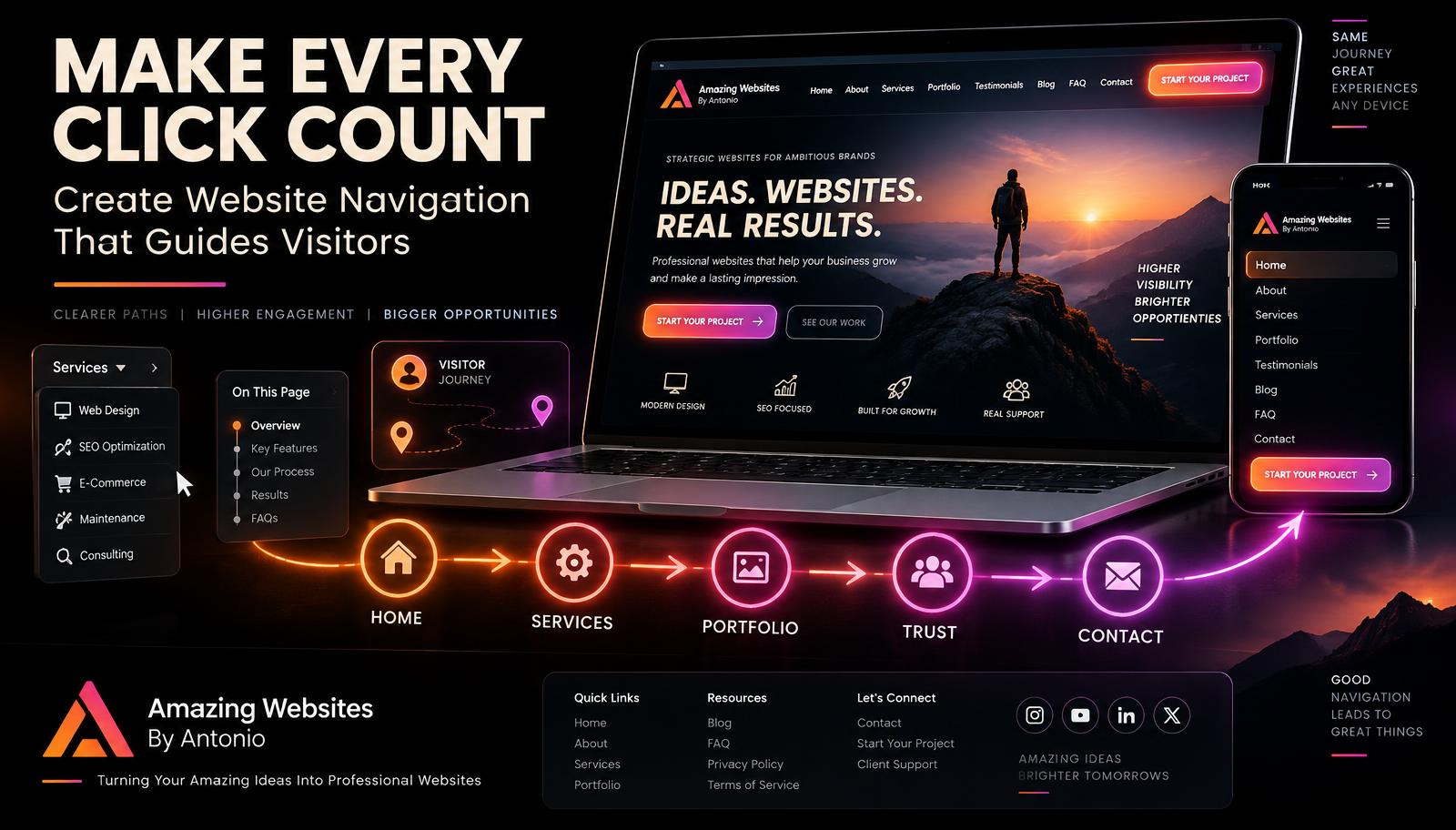
Your website navigation acts like a map. It helps visitors understand where they are, where they can go, and how to find what they need. Here are 20 ways to create navigation that guides visitors faster.

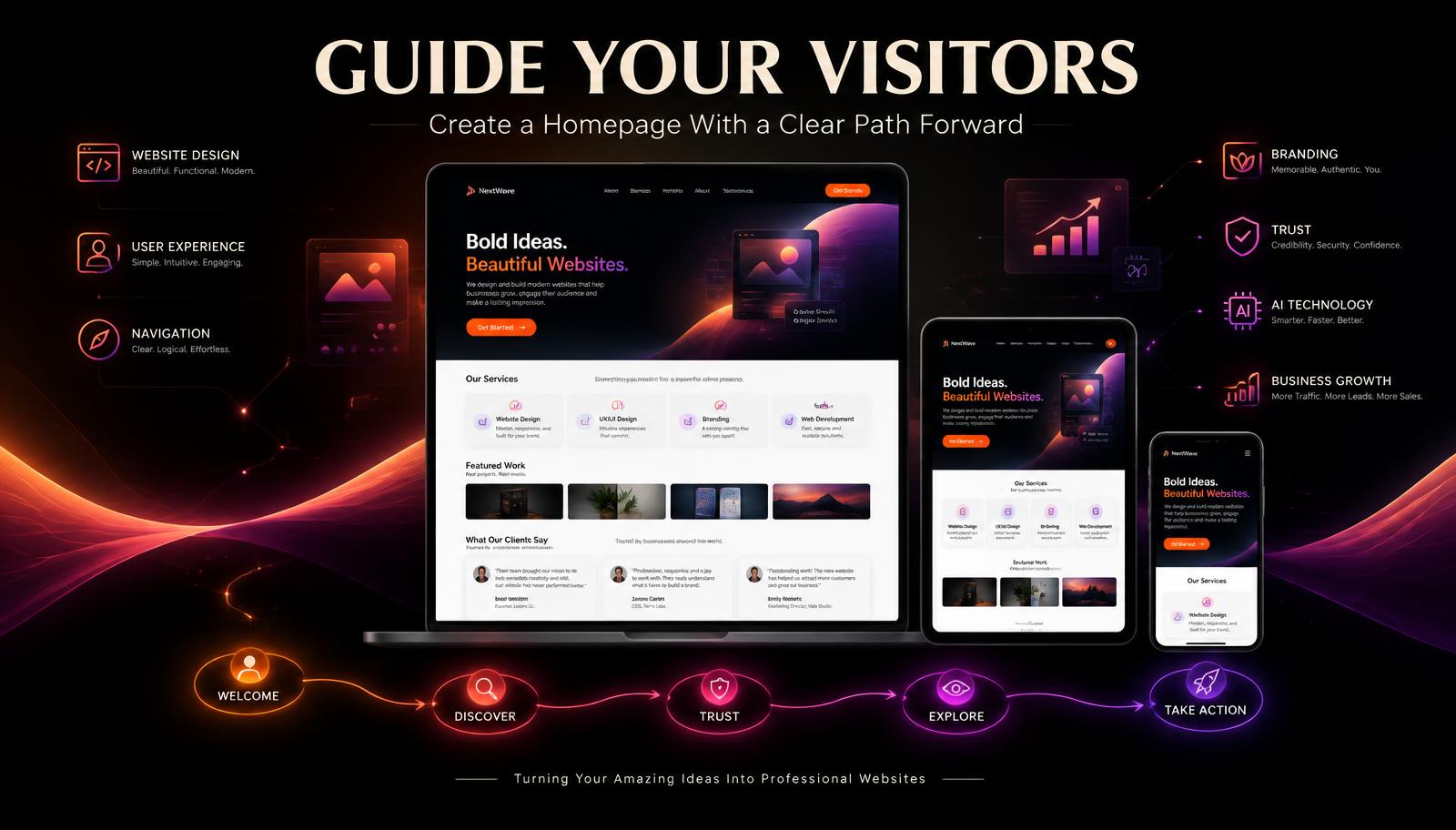
A great homepage doesn't say everything — it guides people. Here's how to build a homepage with a clear hero, simple services, trust, and a natural path from first click to action.

A great Services page does more than list what your business offers — it helps visitors understand what you do, why it matters, who it is for, and what to do next. Here are 18 ways to turn interest into action.

Your portfolio is more than a gallery — it's visual proof of what you can do. Learn how to present your best work with purpose: strong visuals, project stories, categories, testimonials, process, and a clear call to action.

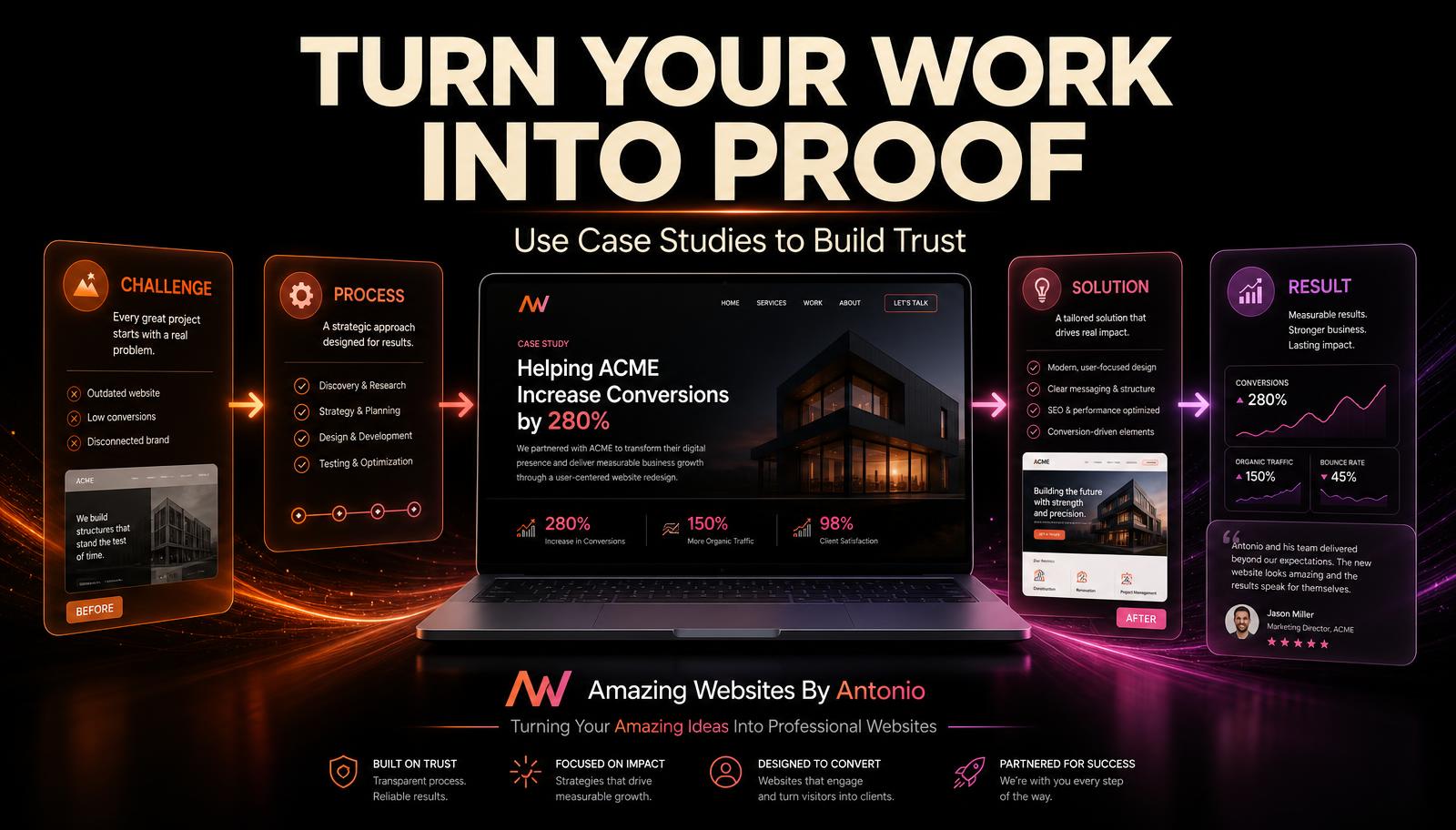
A portfolio shows what you made. A case study shows the challenge, your process, the solution, and the result — turning your work into real evidence customers can trust.

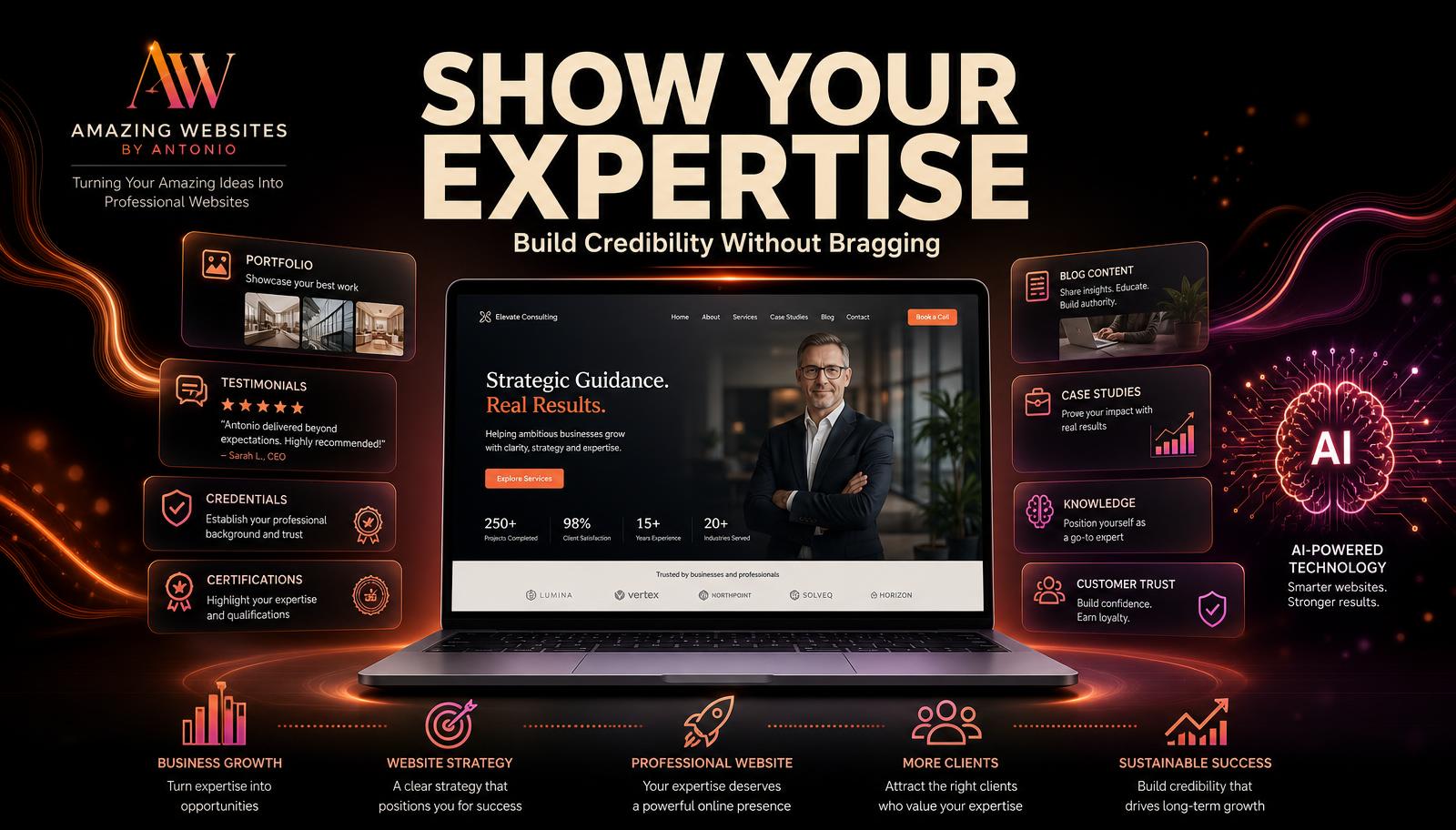
Learn how to demonstrate your expertise through real work, helpful content, testimonials, credentials, case studies, and an authentic customer-focused website.

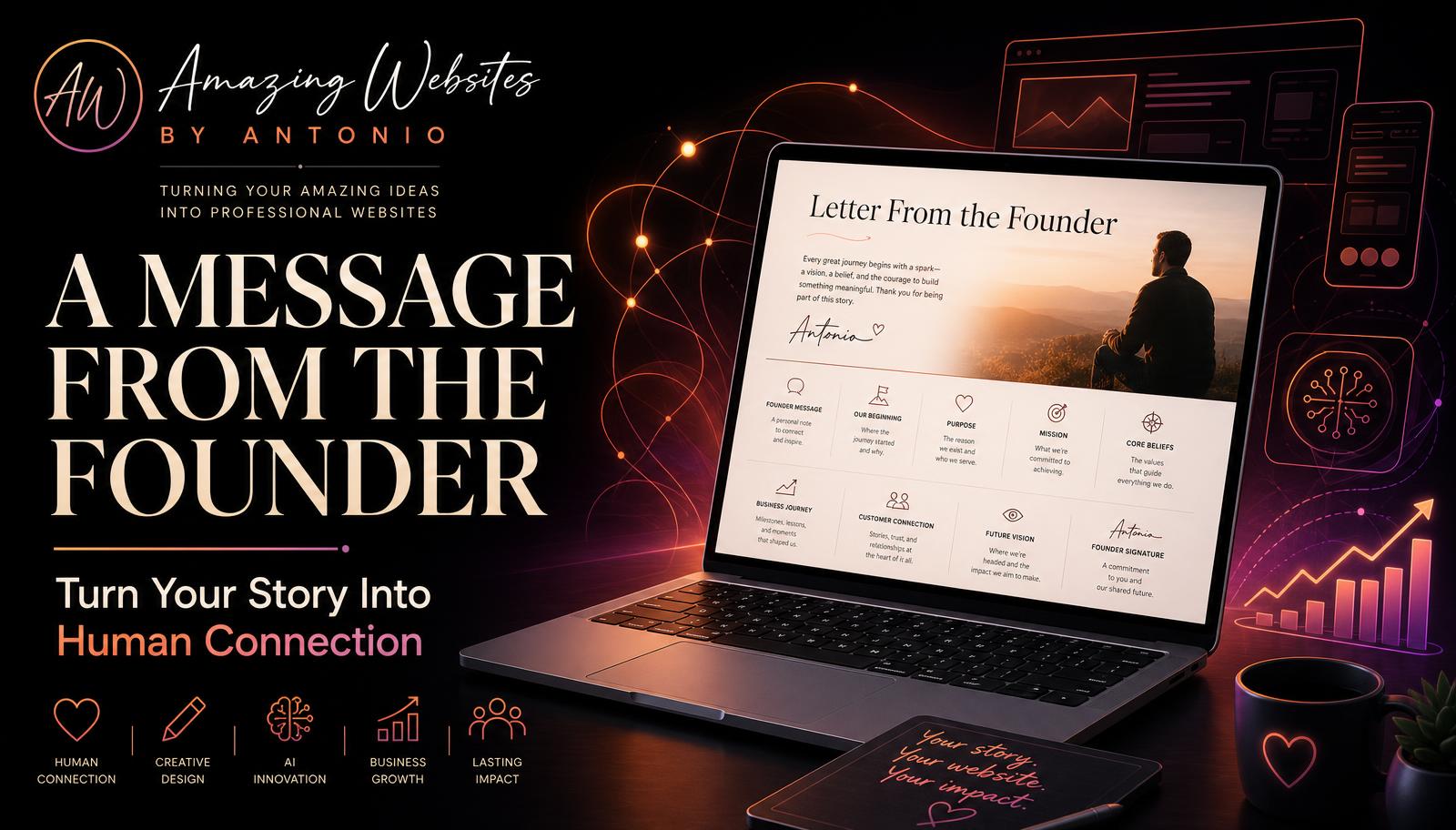
Learn how to write a sincere Founder’s Letter that shares your purpose, beliefs, journey, and vision while building meaningful trust with website visitors.

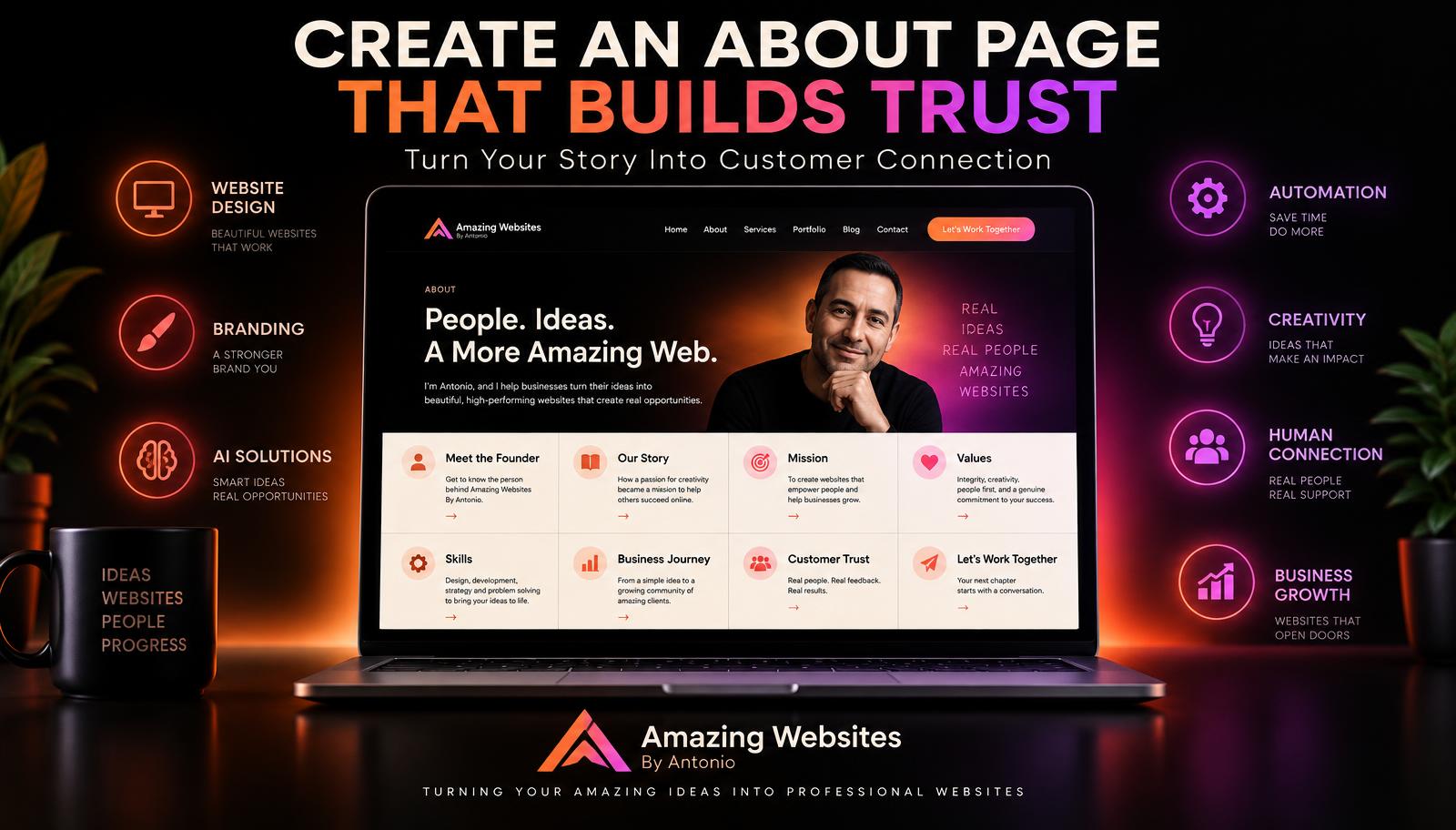
Your About page is about you—but it's ultimately for your customer. Discover how to share your story, mission, values, and personality in a way that builds confidence and connection.

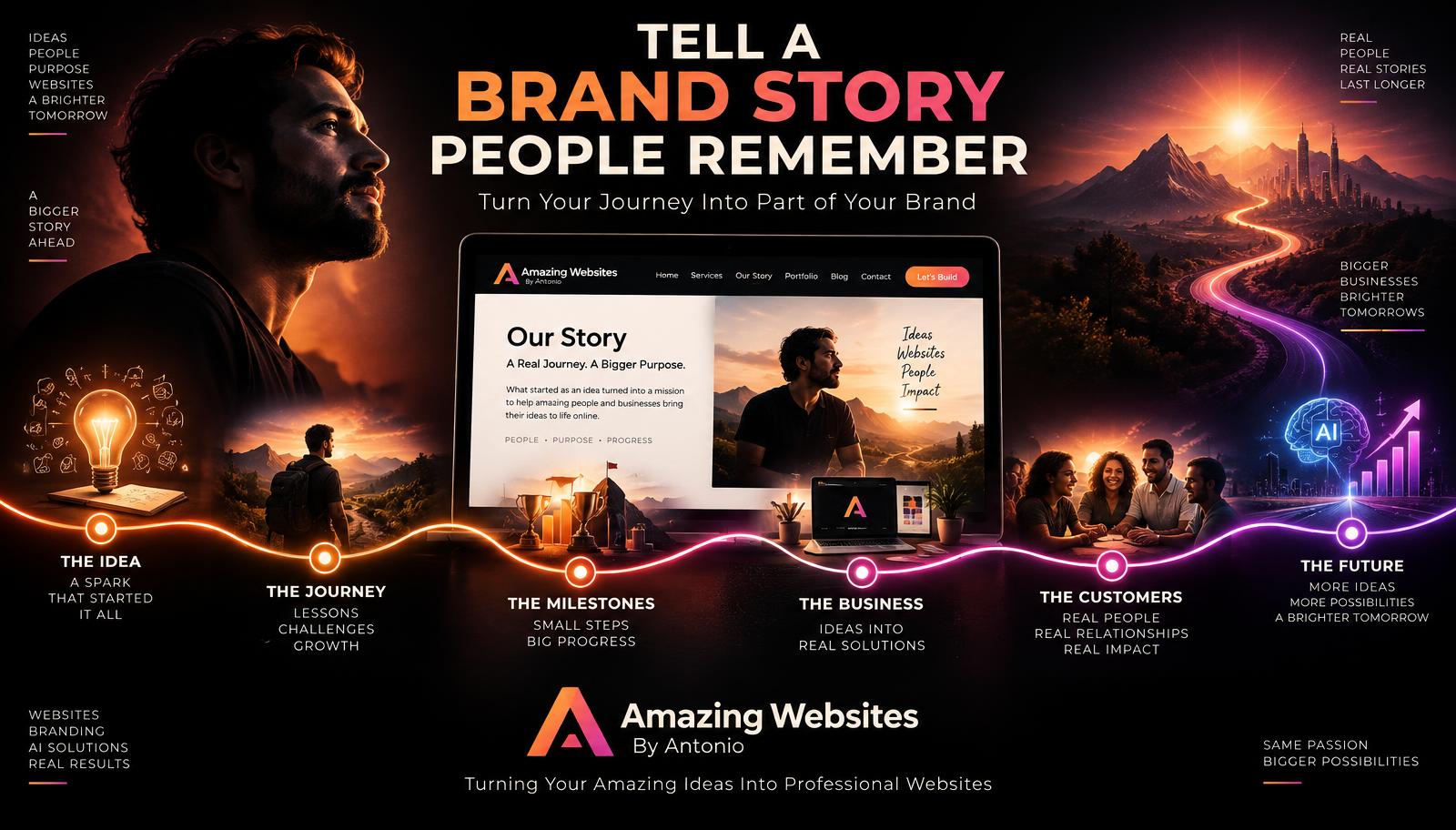
Your brand story helps customers understand why your business exists. Learn how to share your journey, values, milestones, and vision across your website.

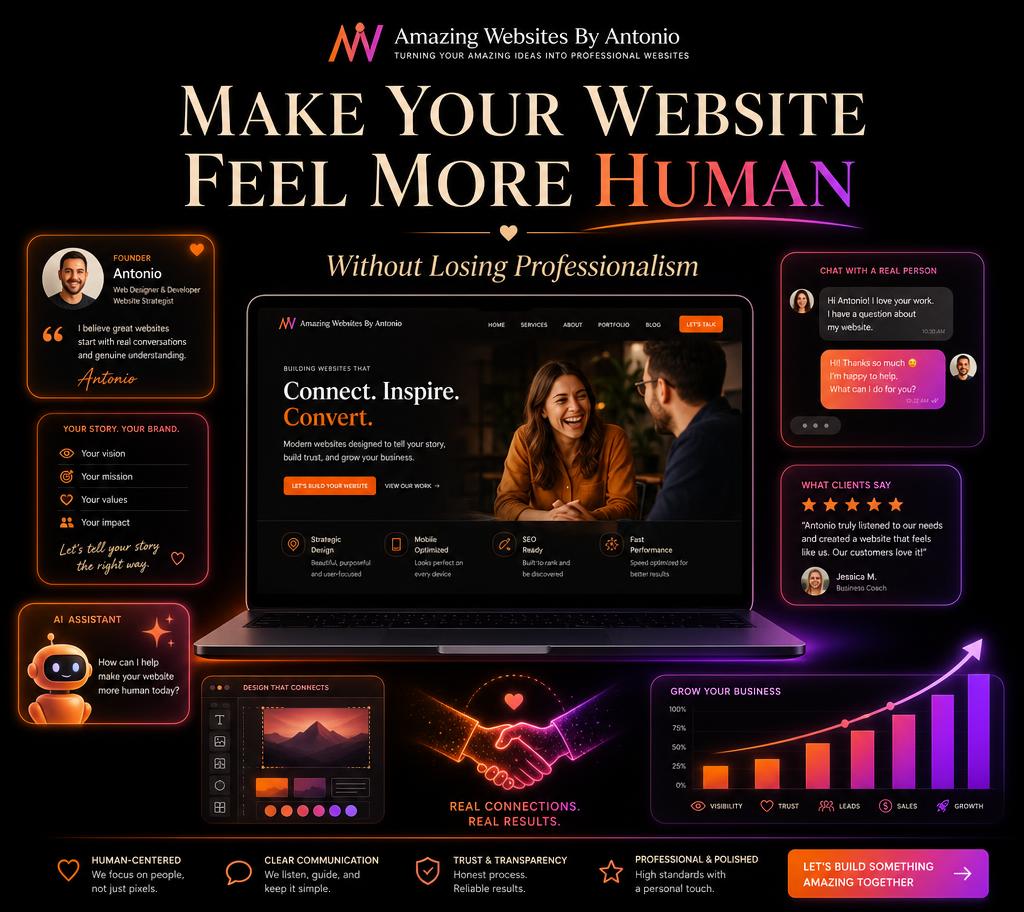
People don't only connect with businesses — they connect with people. Learn 20 ways to make your website feel warm, authentic, and human without sacrificing professionalism.

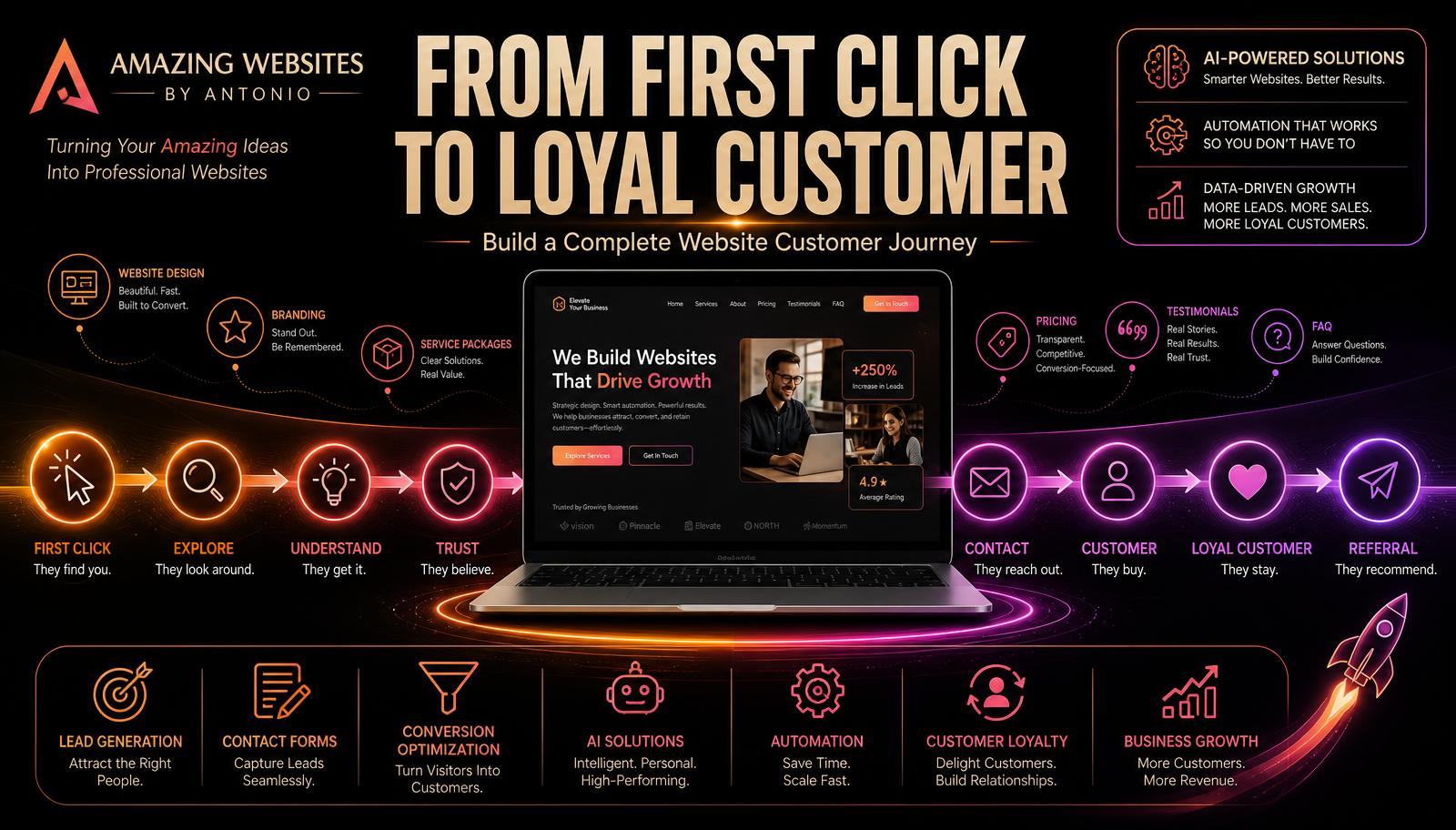
A great business website is not just a collection of pages—it is a journey. Learn how to guide visitors from their very first click to becoming loyal customers.

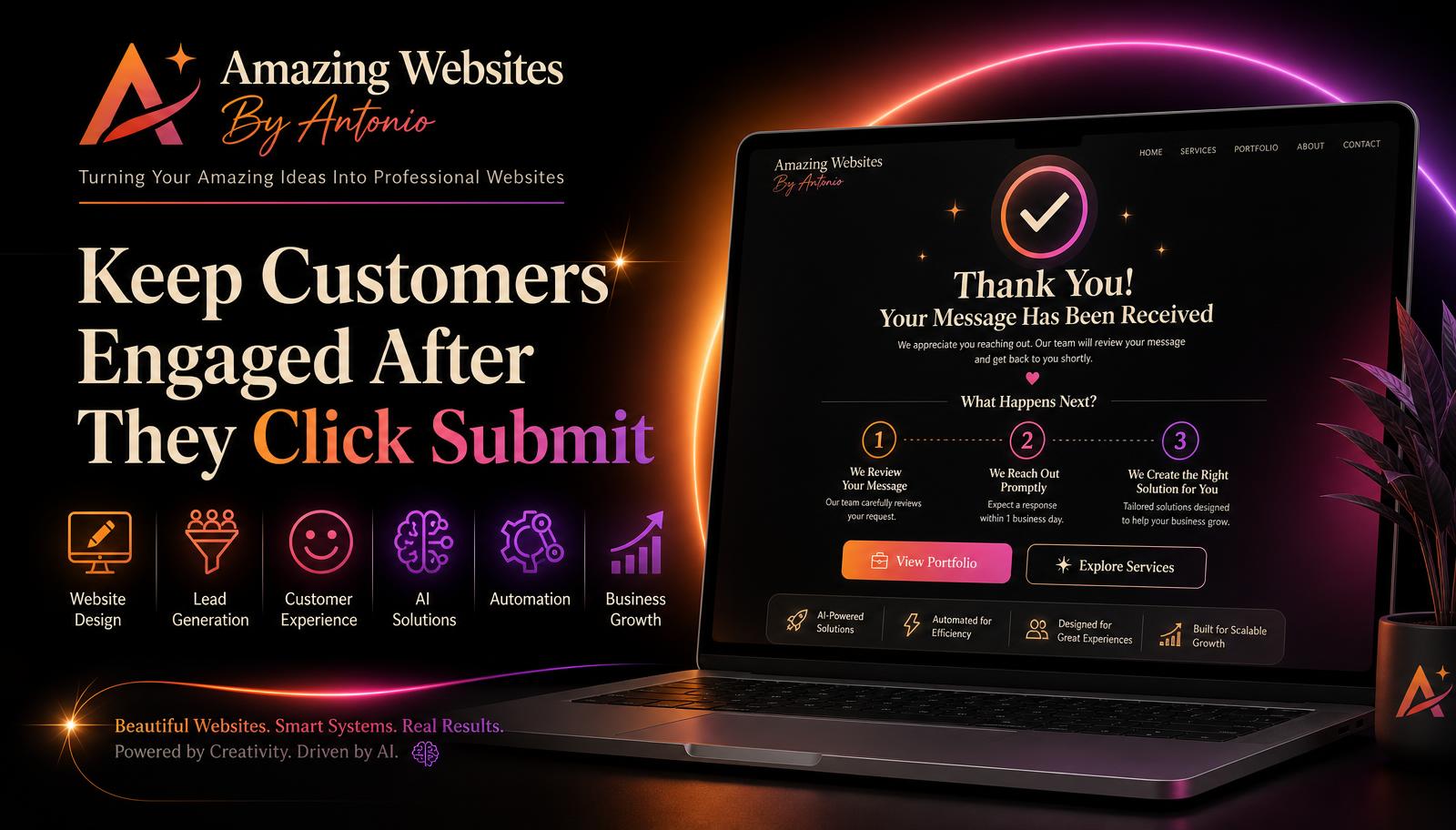
A well-designed thank-you page reassures customers, explains what happens next, builds trust, and keeps visitors connected with your business after they contact you.

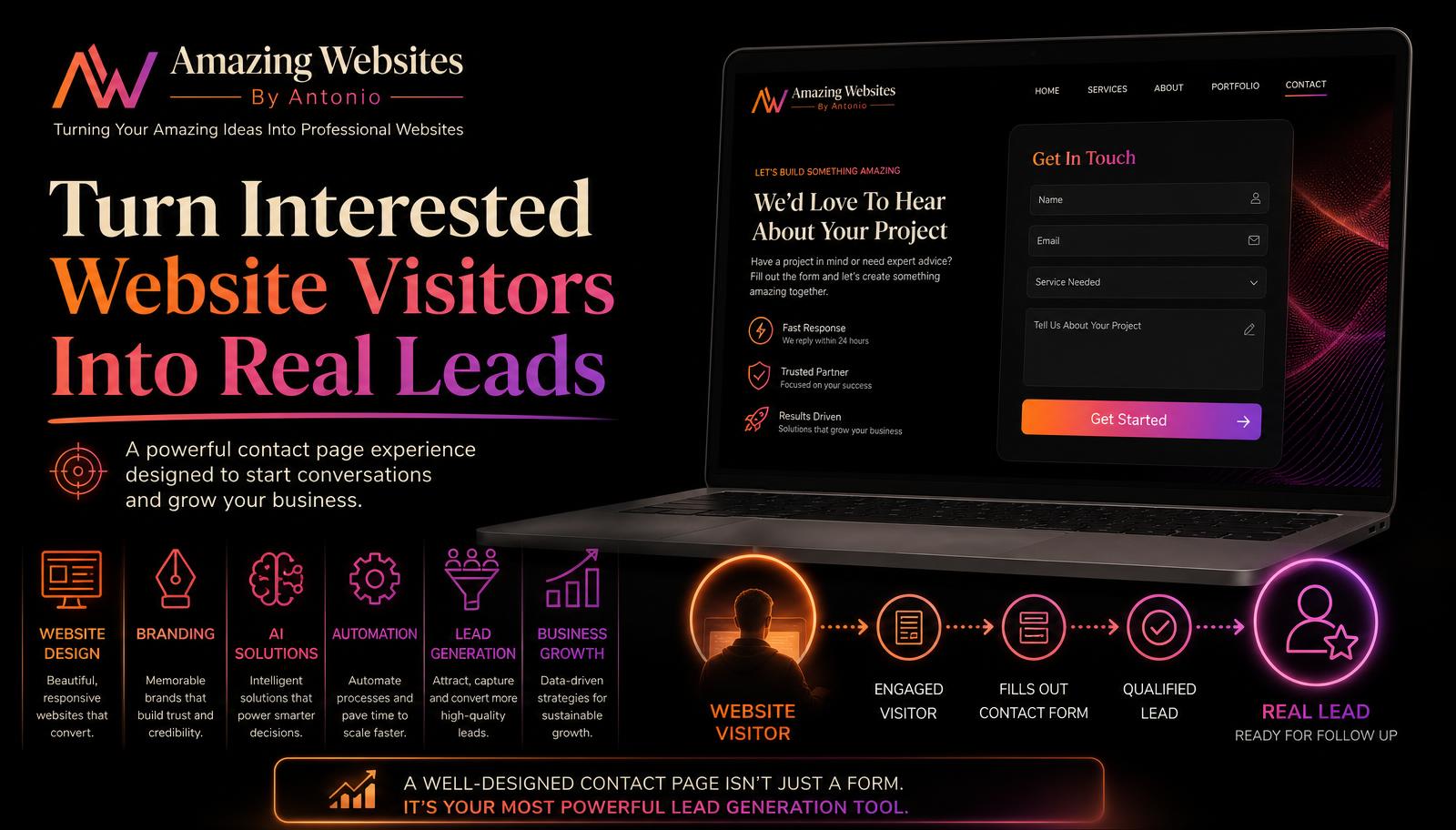
A strong contact page is the bridge between interest and action. Learn how to design a contact page that builds trust, removes friction, and turns website visitors into real leads.

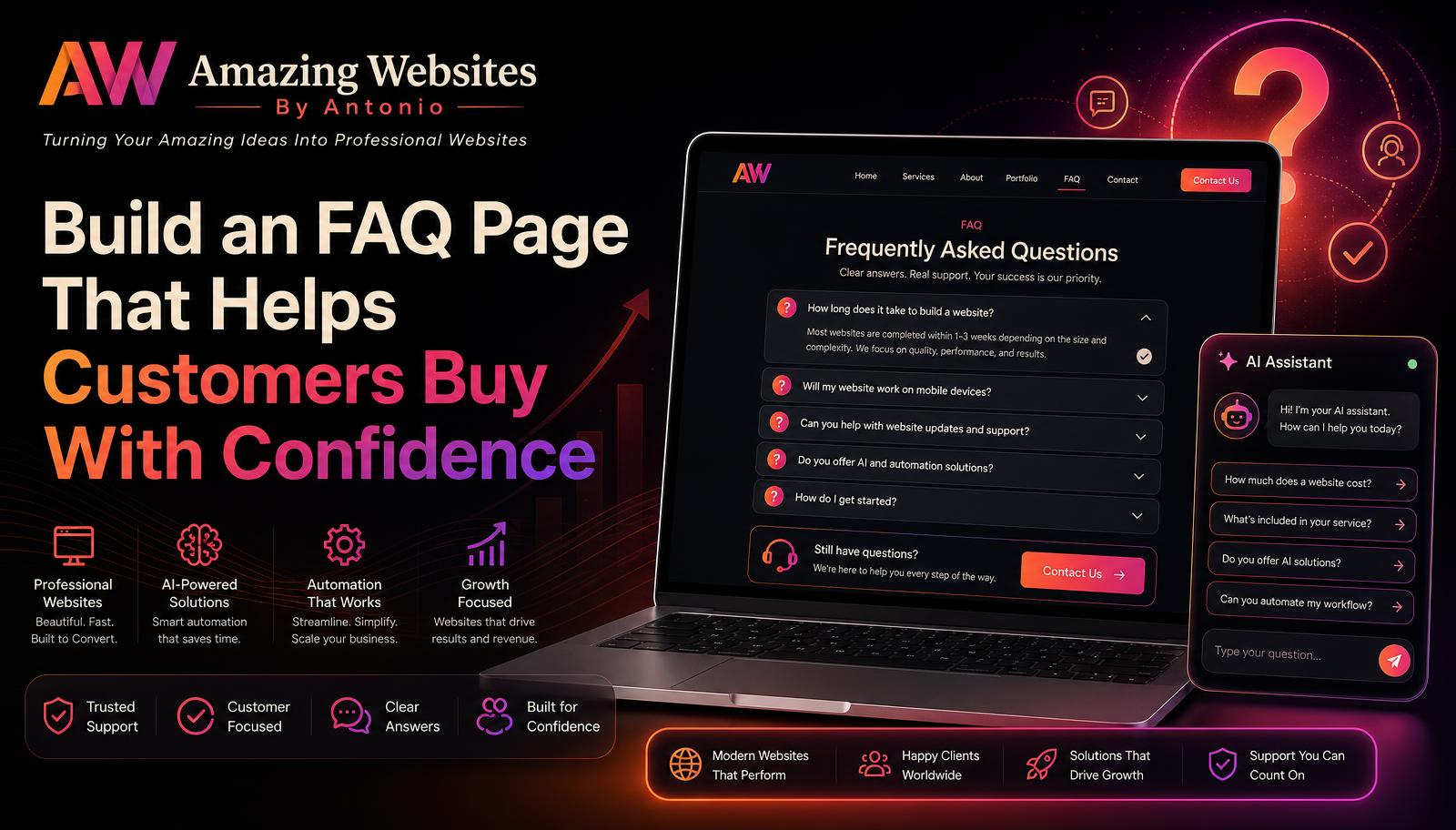
A strong FAQ page doesn't just answer questions—it reduces uncertainty, builds trust, saves time, and helps customers feel confident about taking the next step. Here are practical ways to create one.

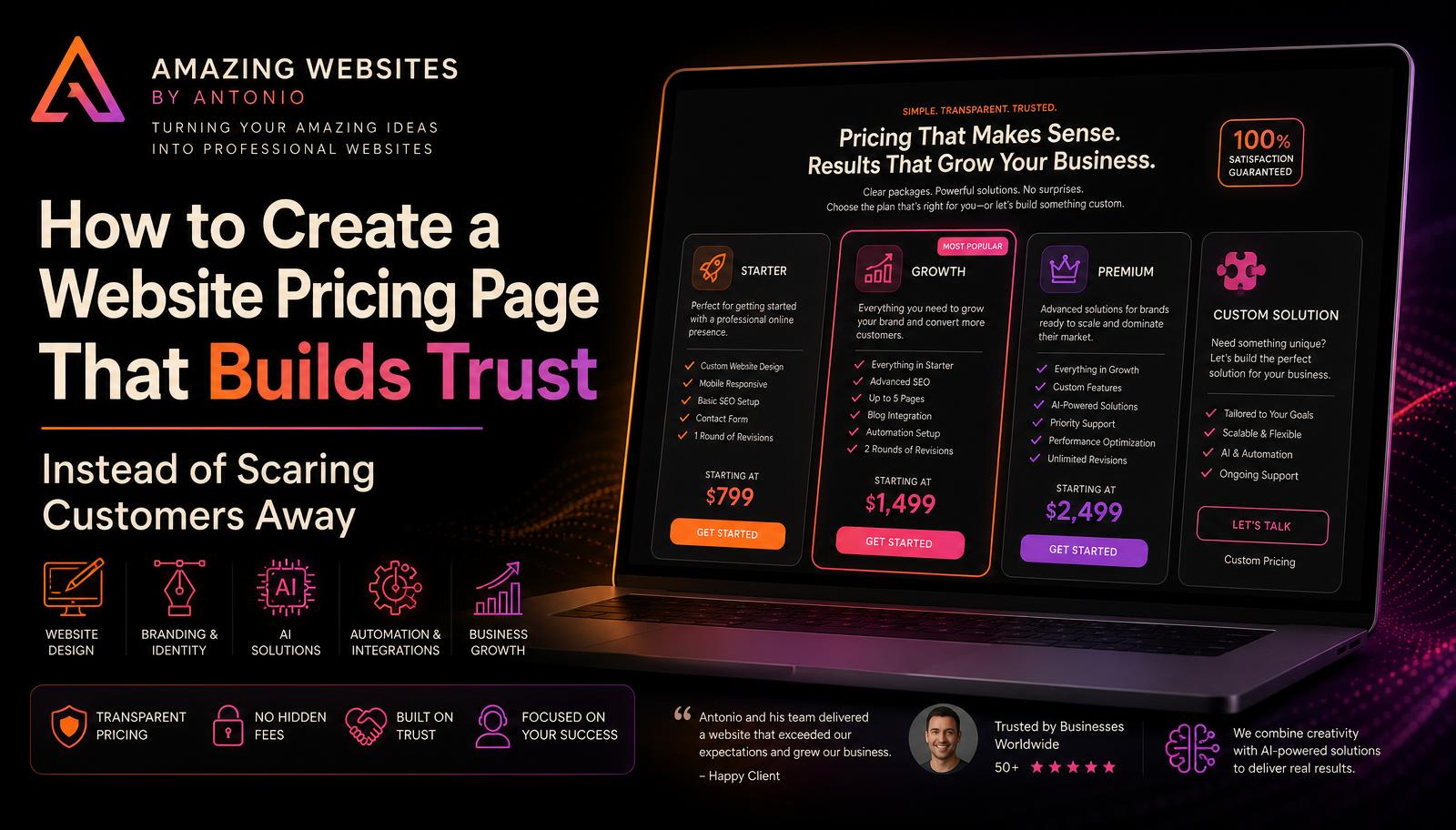
A good pricing page doesn't have to reveal every possible project cost. Instead, it should help potential customers understand what they may be investing in, what they're receiving, and what happens next.

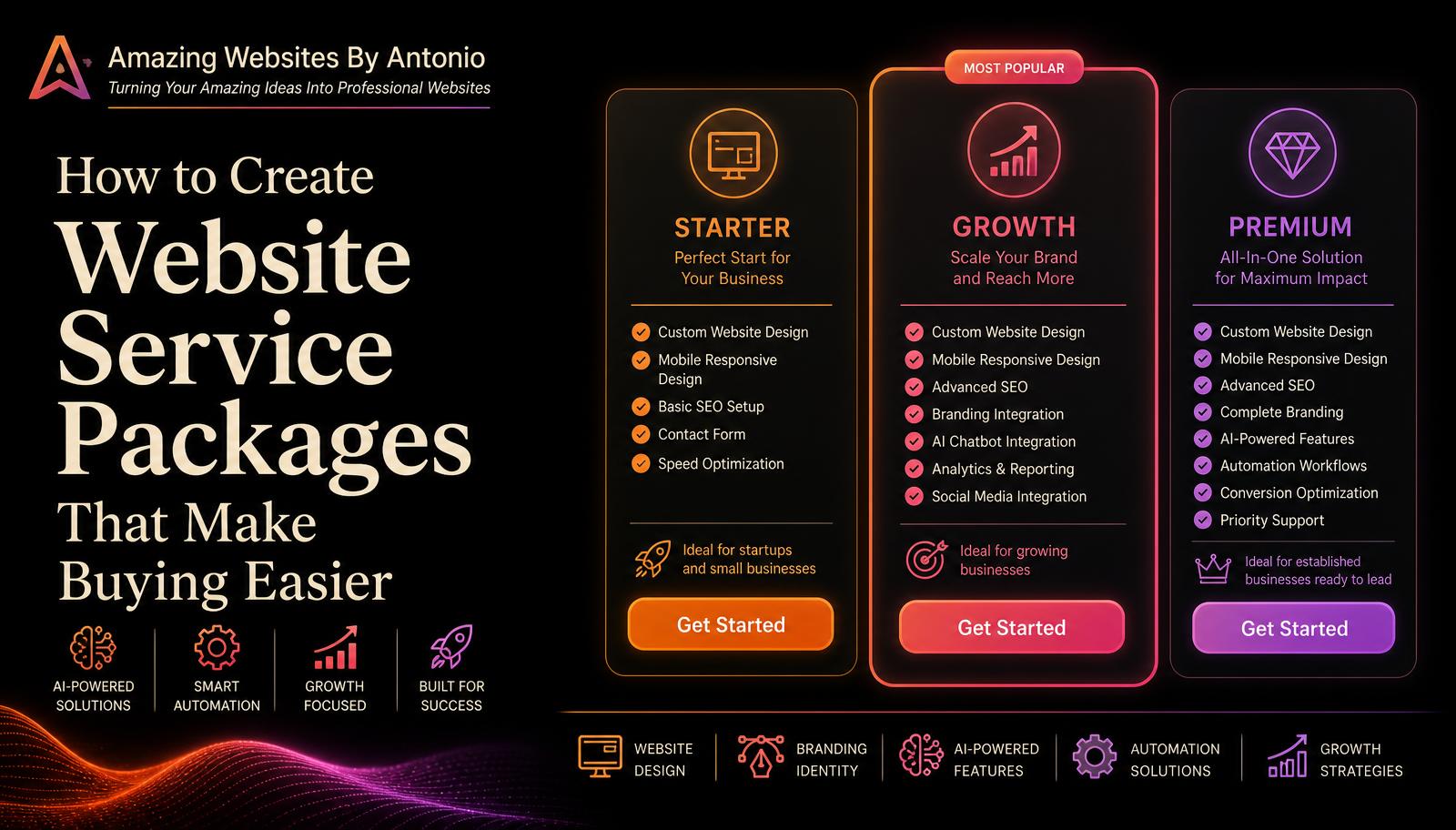
Customers often understand your individual services but freeze when deciding what to buy. Clear service packages built around customer goals make choosing simple.

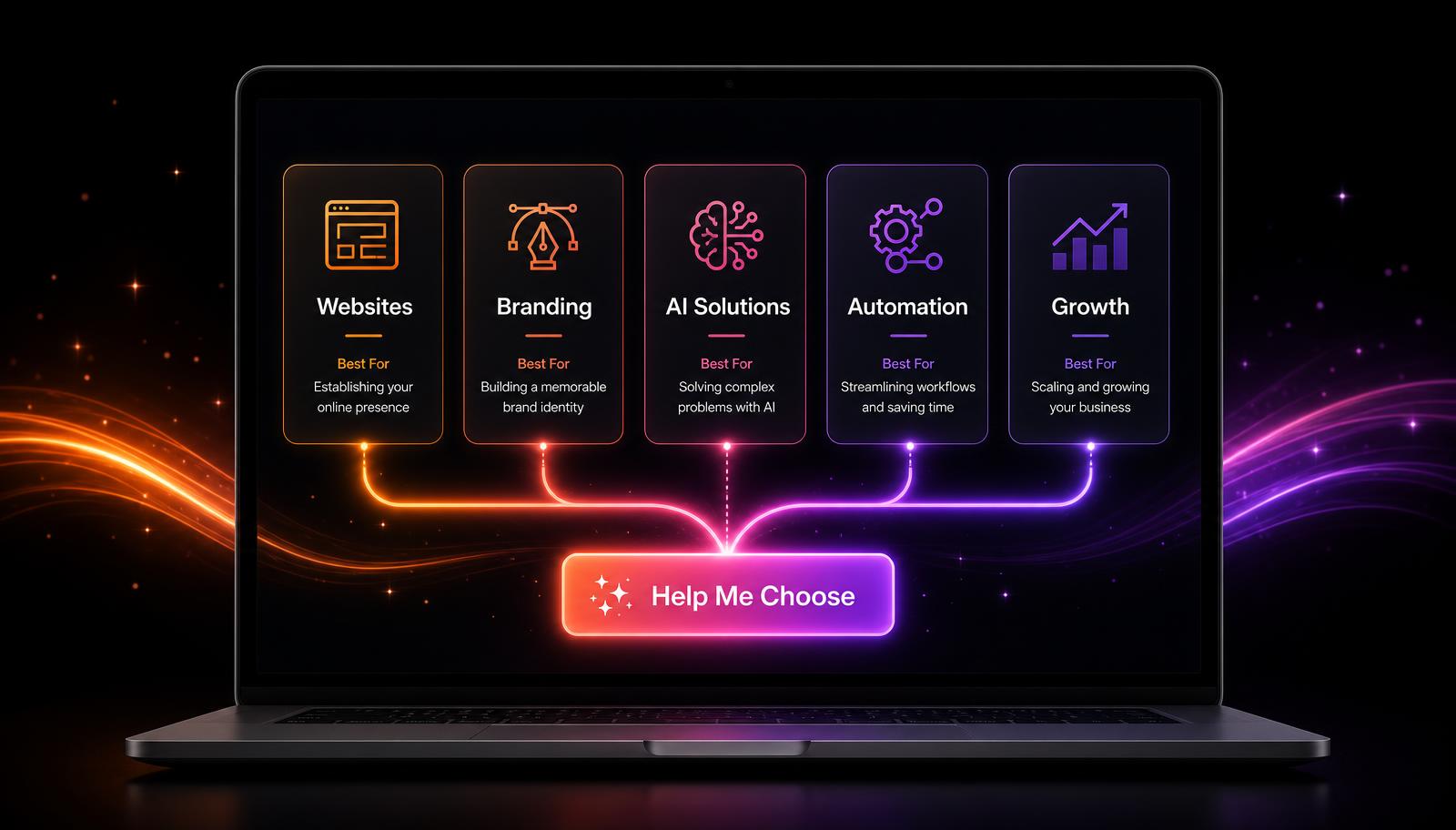
Offering several services is great for growth — until visitors can't tell which one they need. Learn how to guide customers to the right service with problem-first descriptions, "Best For" labels, comparison cards, and a simple "Help Me Choose" path.

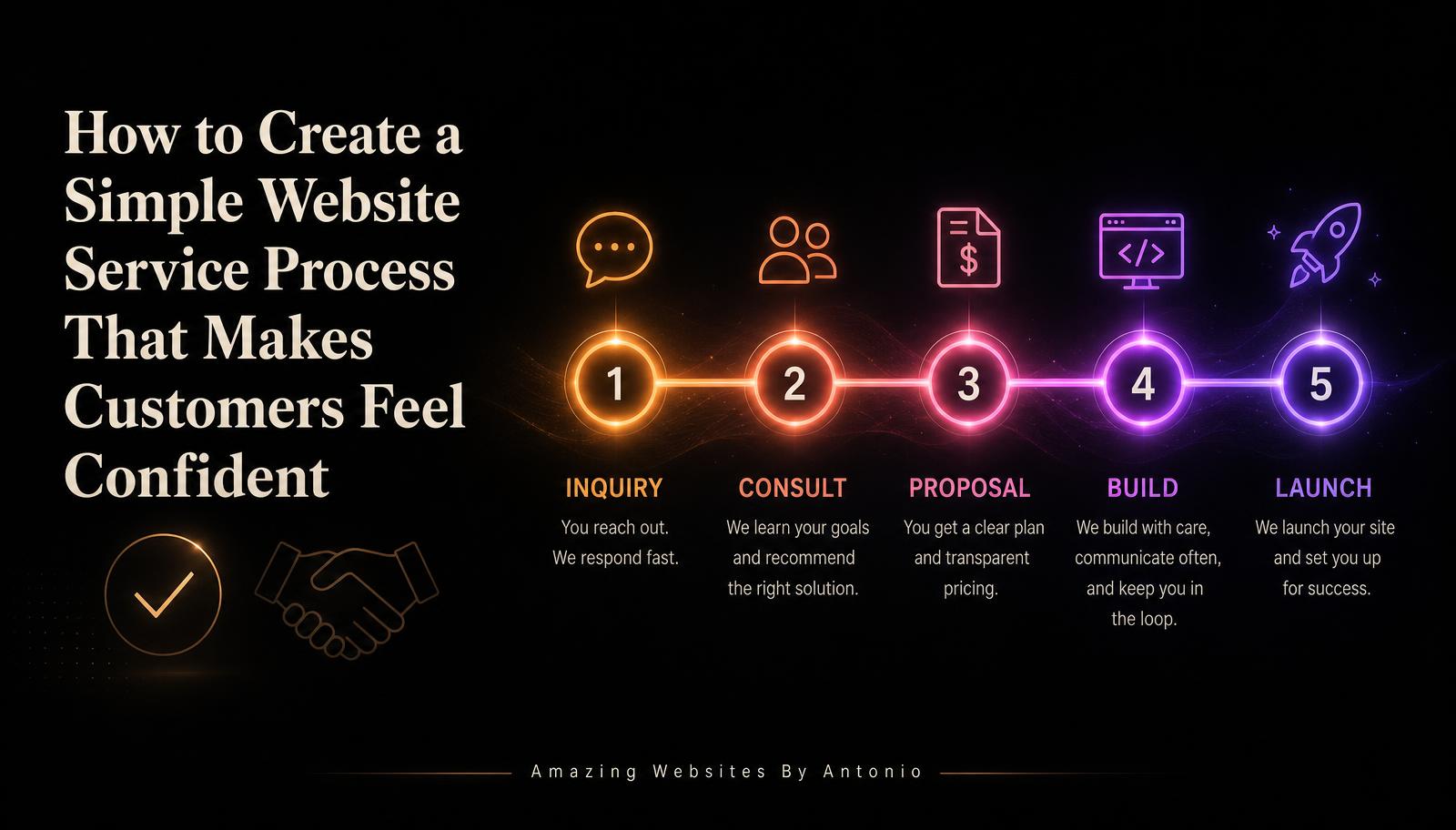
Learn how to build a clear, simple website service process that removes confusion, sets expectations, and makes customers feel confident from the first inquiry through launch and beyond.

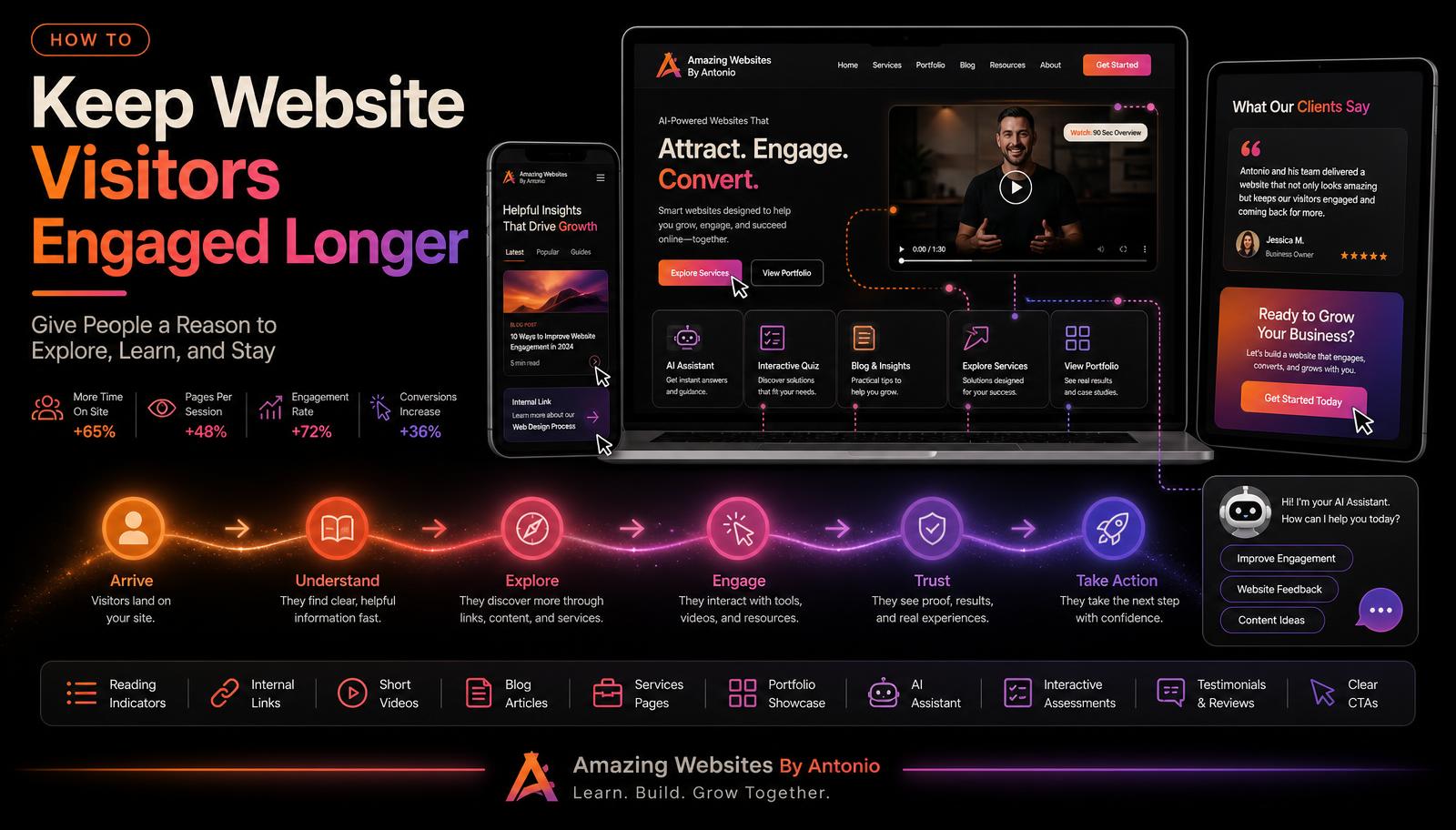
Discover how to keep website visitors engaged longer without overwhelming them. Learn practical strategies for clearer messaging, better navigation, interactive tools, and purposeful calls to action.

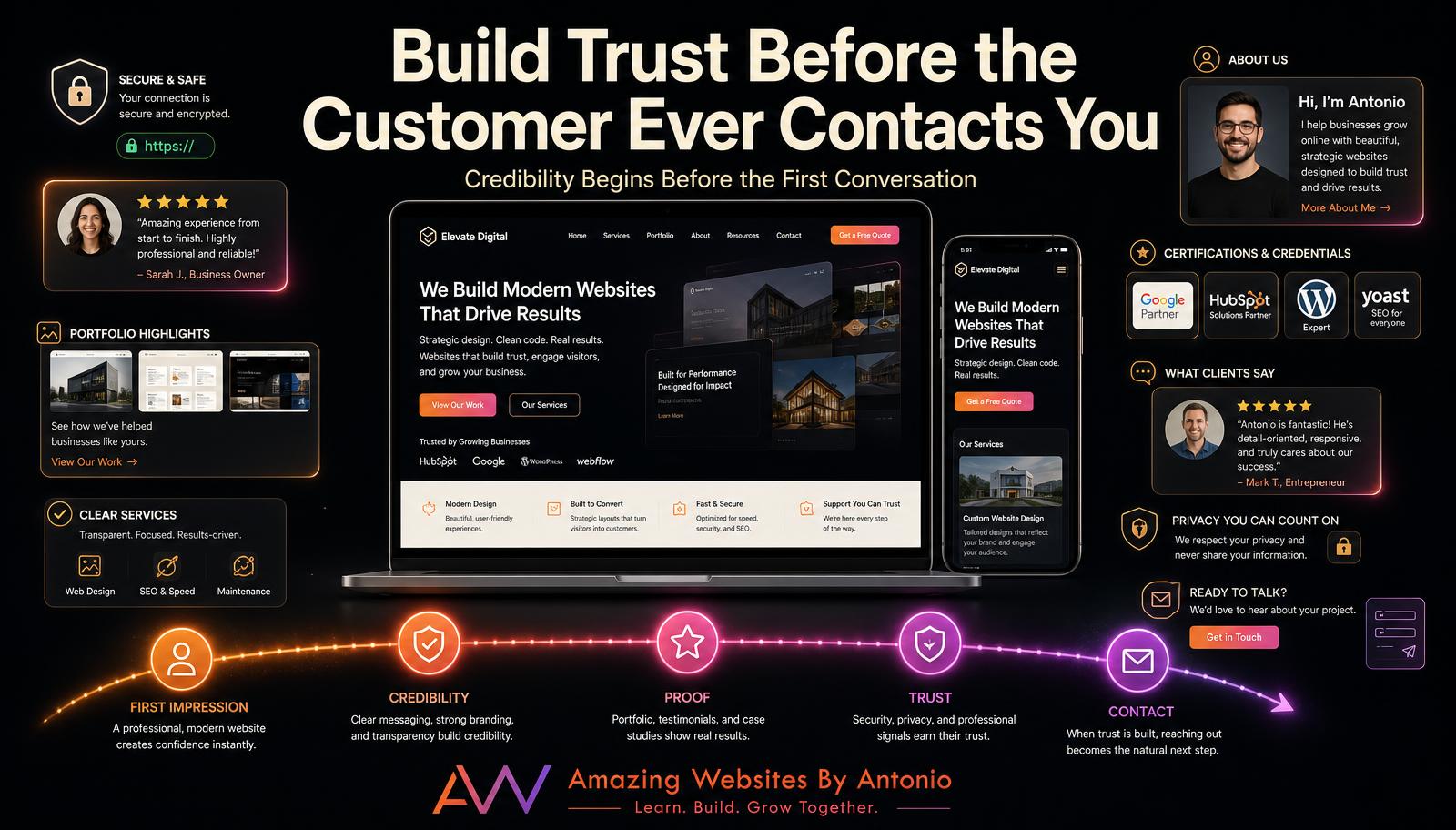
Trust begins long before the first conversation. Learn how your website can build credibility through professional design, clear messaging, real proof, and reliable experiences.

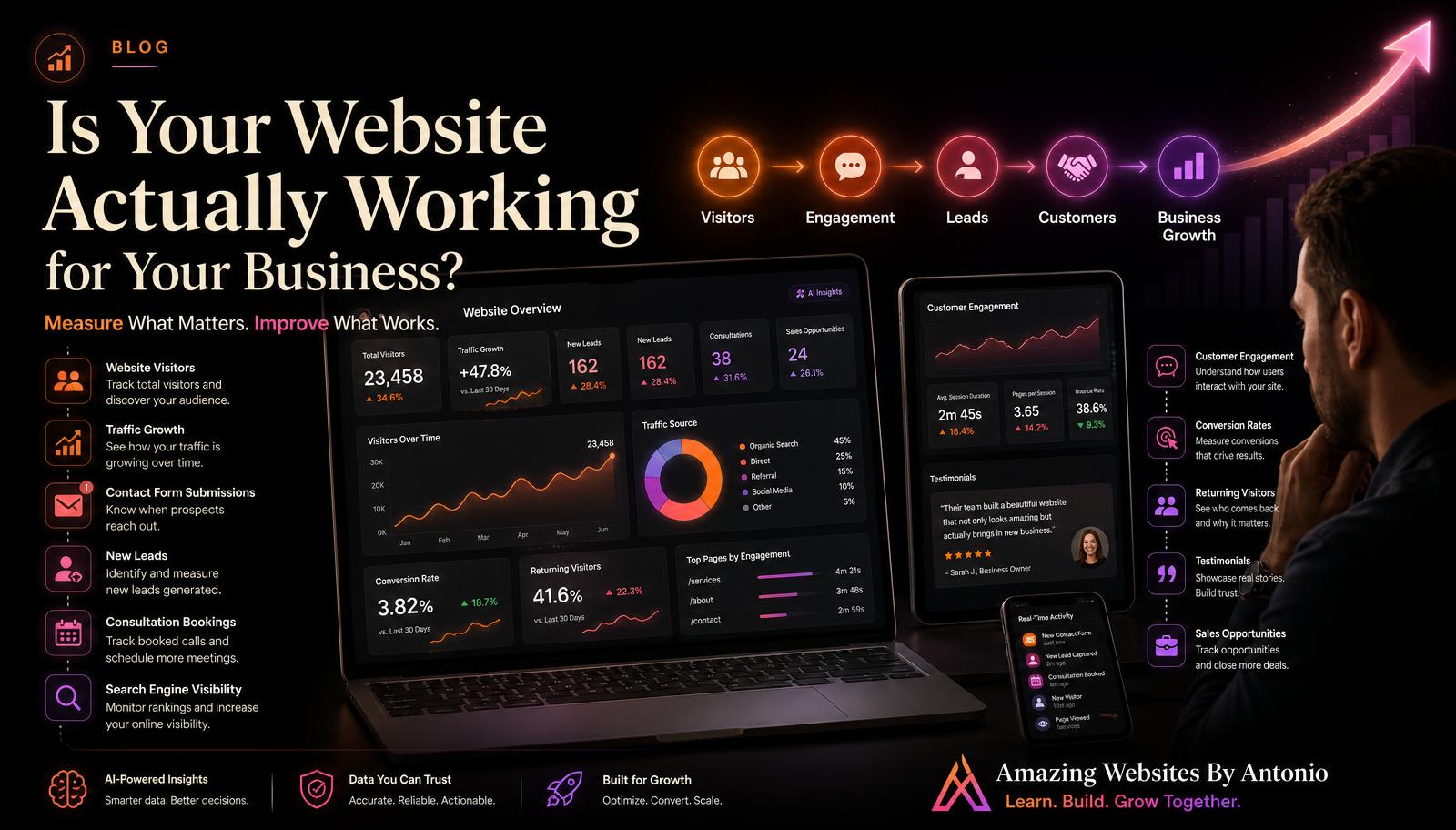
Learn how to measure website success using traffic, conversions, contact forms, SEO, mobile performance, and customer feedback—so your site actually supports your business goals.

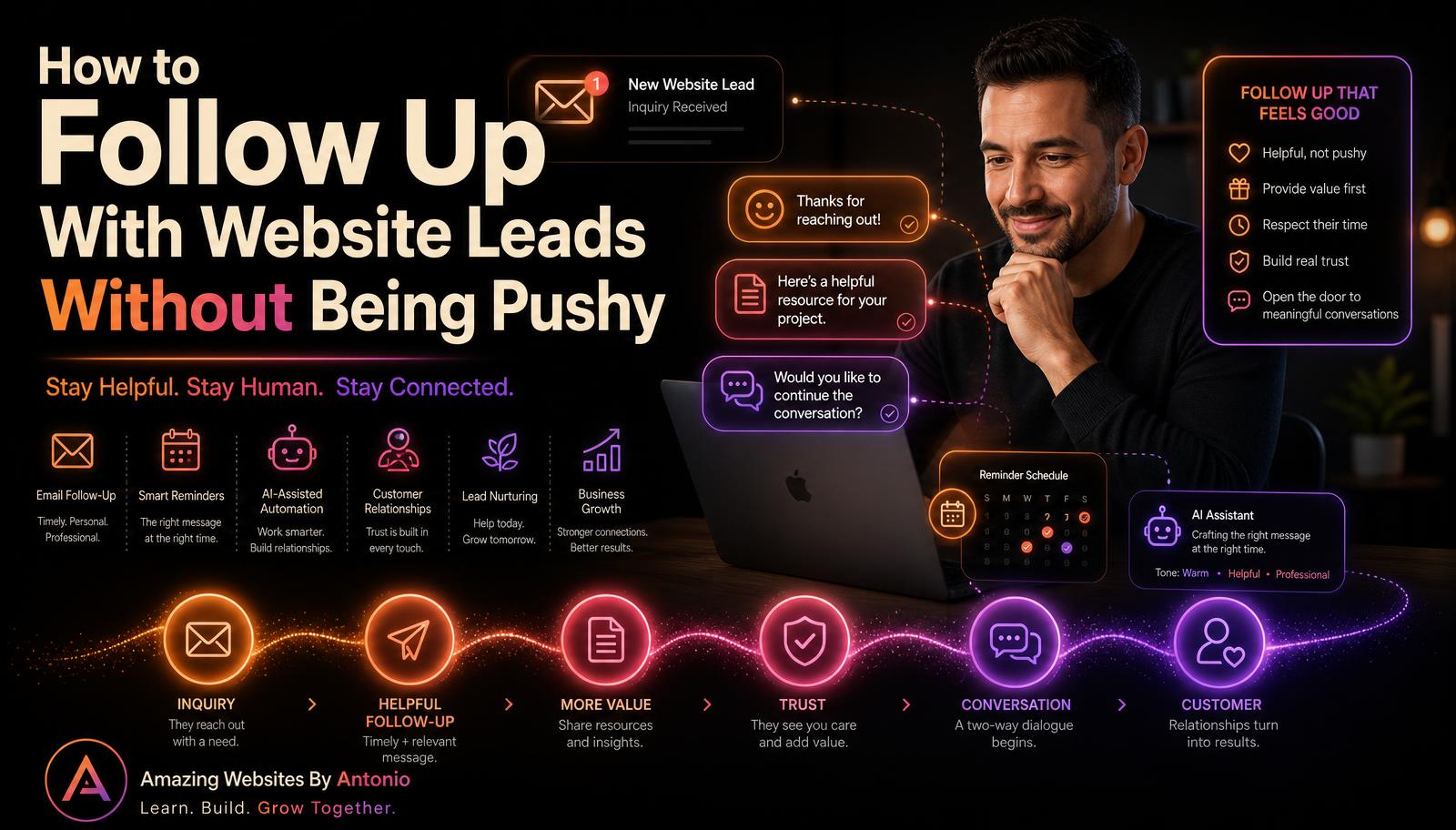
A quiet lead doesn't always mean "I'm not interested." Learn how to follow up with website leads thoughtfully — staying helpful, human, and easy to remember without ever being pushy.

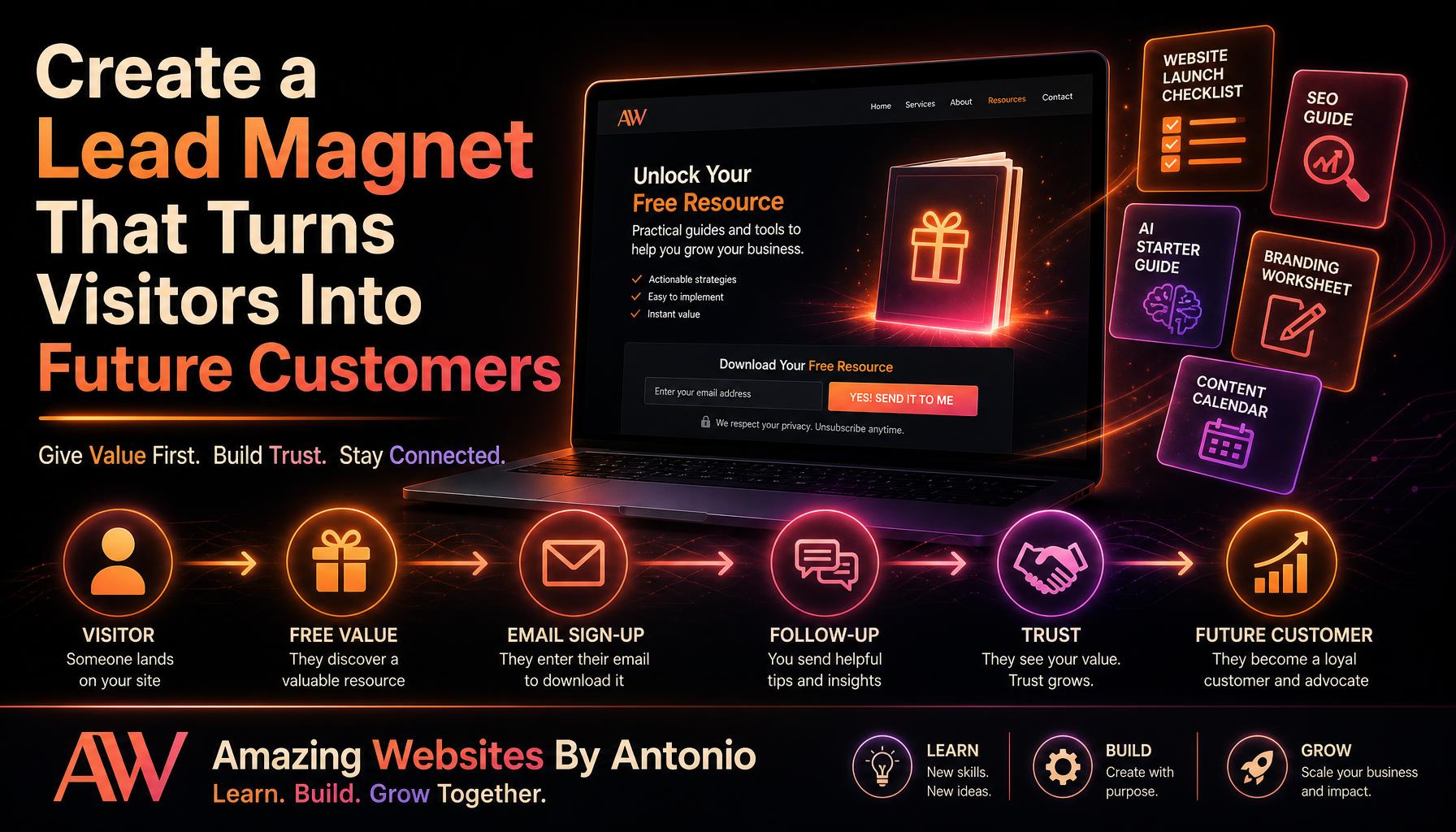
Not every website visitor is ready to buy today. A lead magnet gives them a reason to stay connected by offering something useful in exchange for their email, turning one-time visitors into future customers.

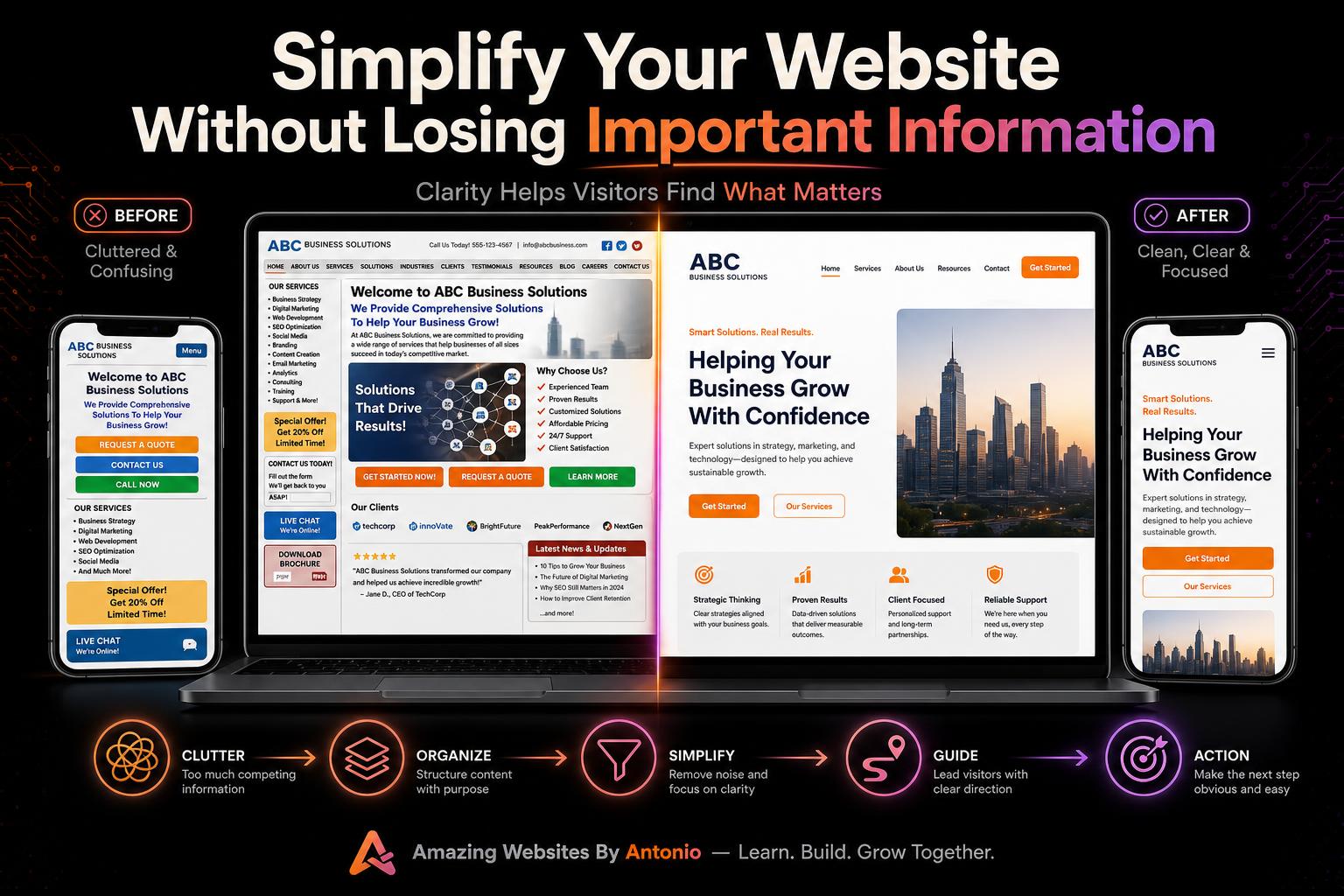
Your website can hold a lot of valuable content and still feel simple. Learn how to organize information, create clear hierarchy, and guide visitors—without deleting what matters.

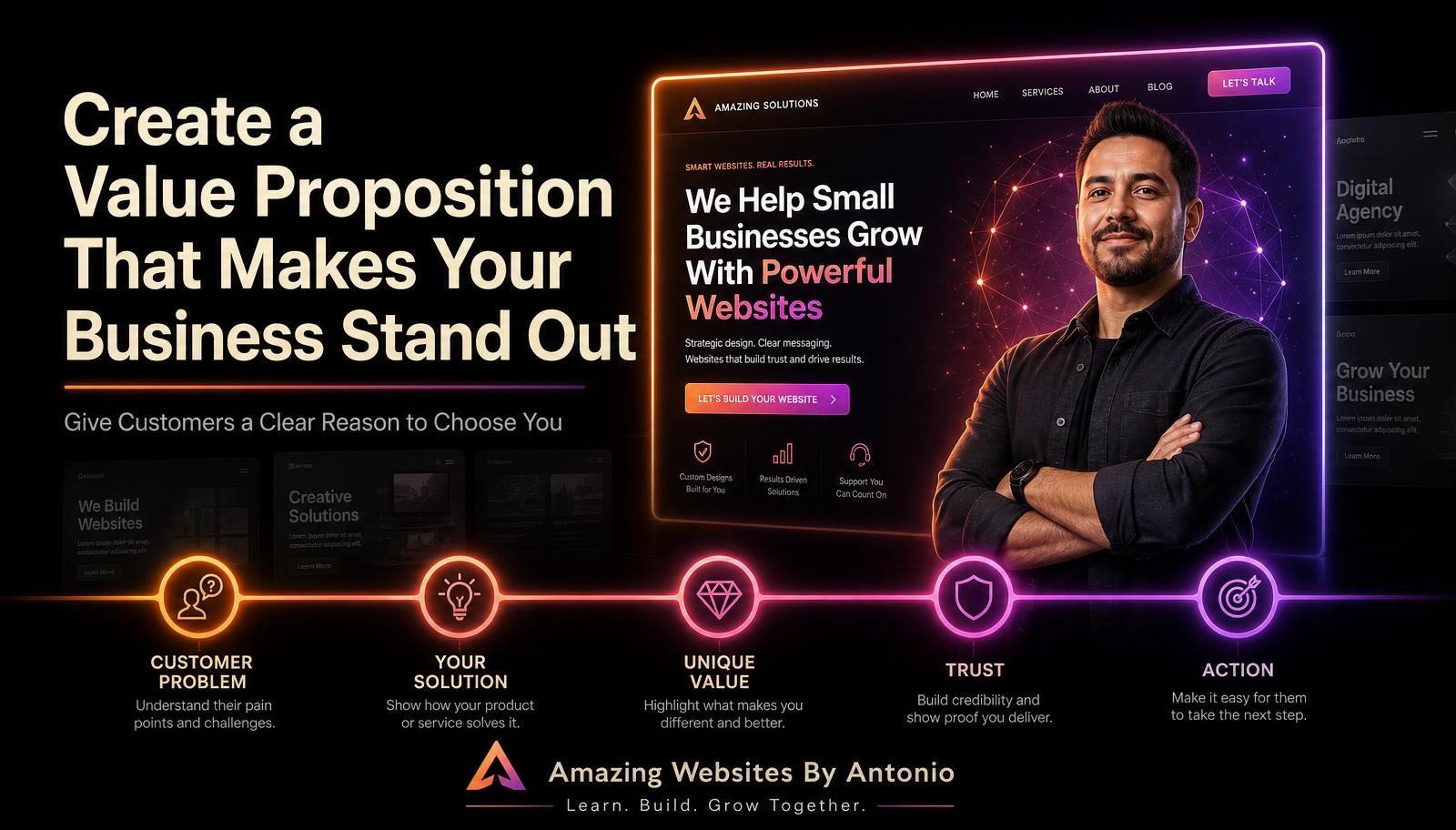
Every business says they provide great service. A strong value proposition tells customers who you help, what problem you solve, and why your approach matters — in seconds.

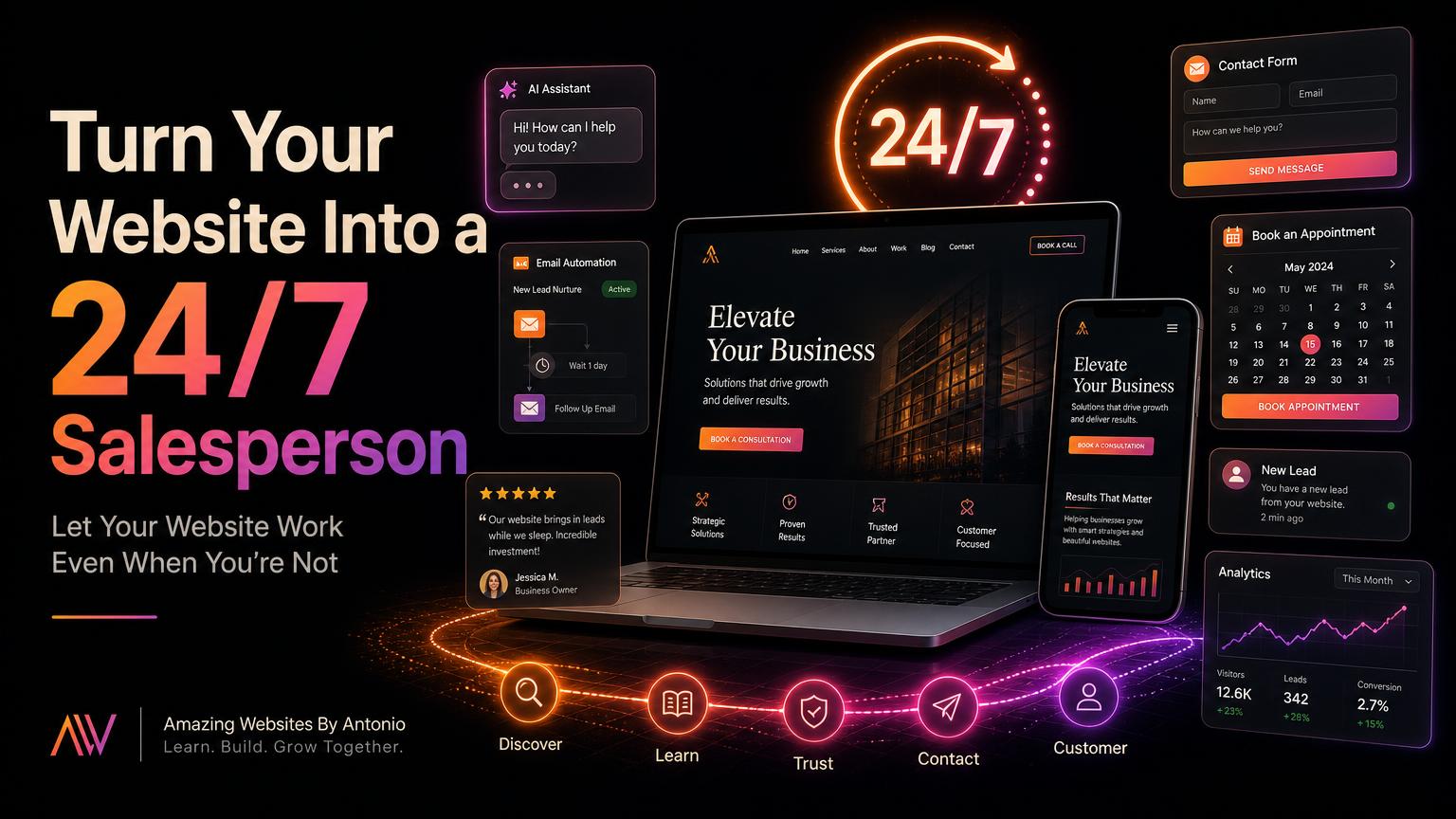
Your business has working hours. Your website doesn't have to. Here are 15 ways to turn your site into a system that educates, builds trust, and collects leads around the clock.

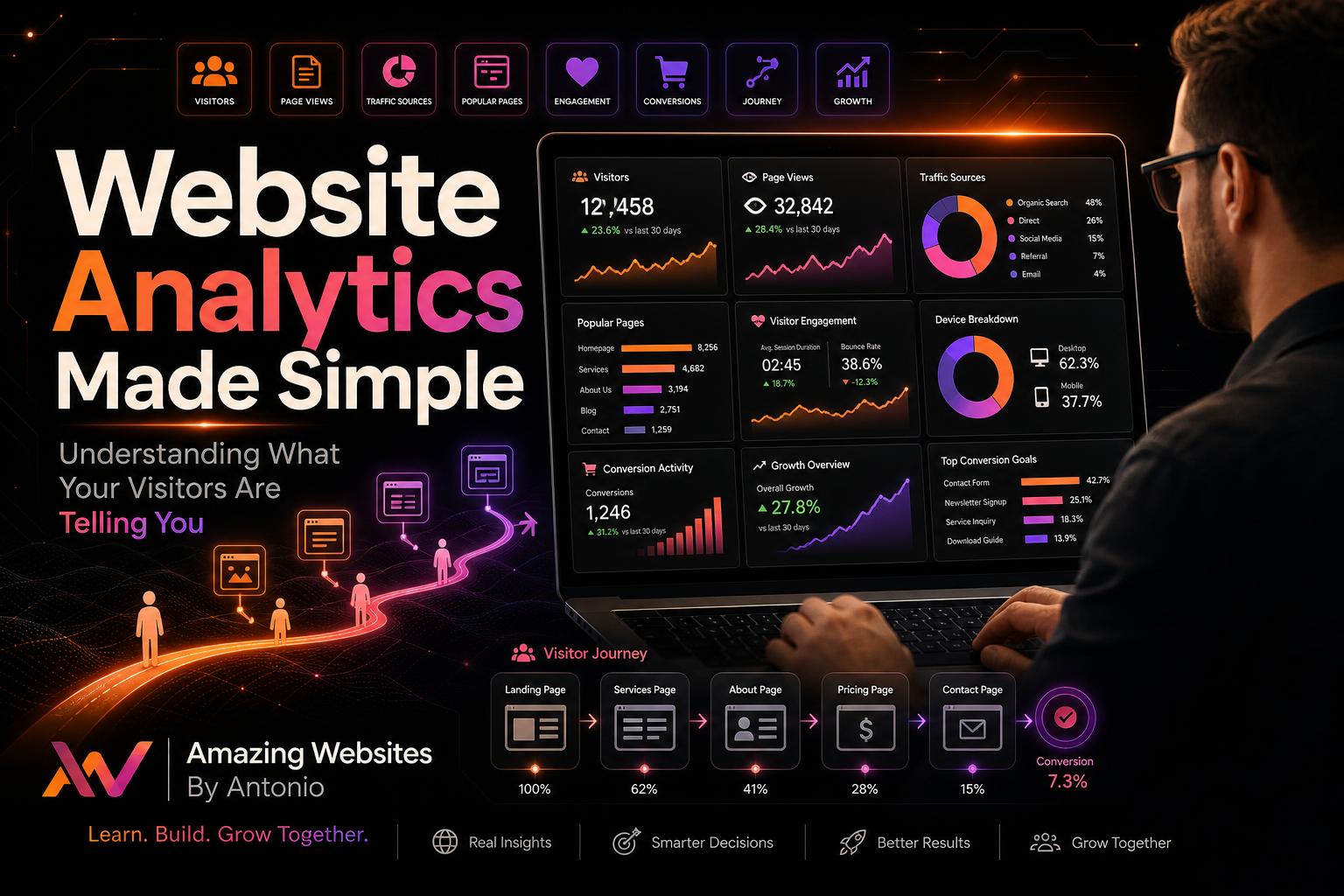
Website analytics doesn't have to be complicated. Learn how to understand your visitors, track meaningful actions, and turn data into better business decisions.

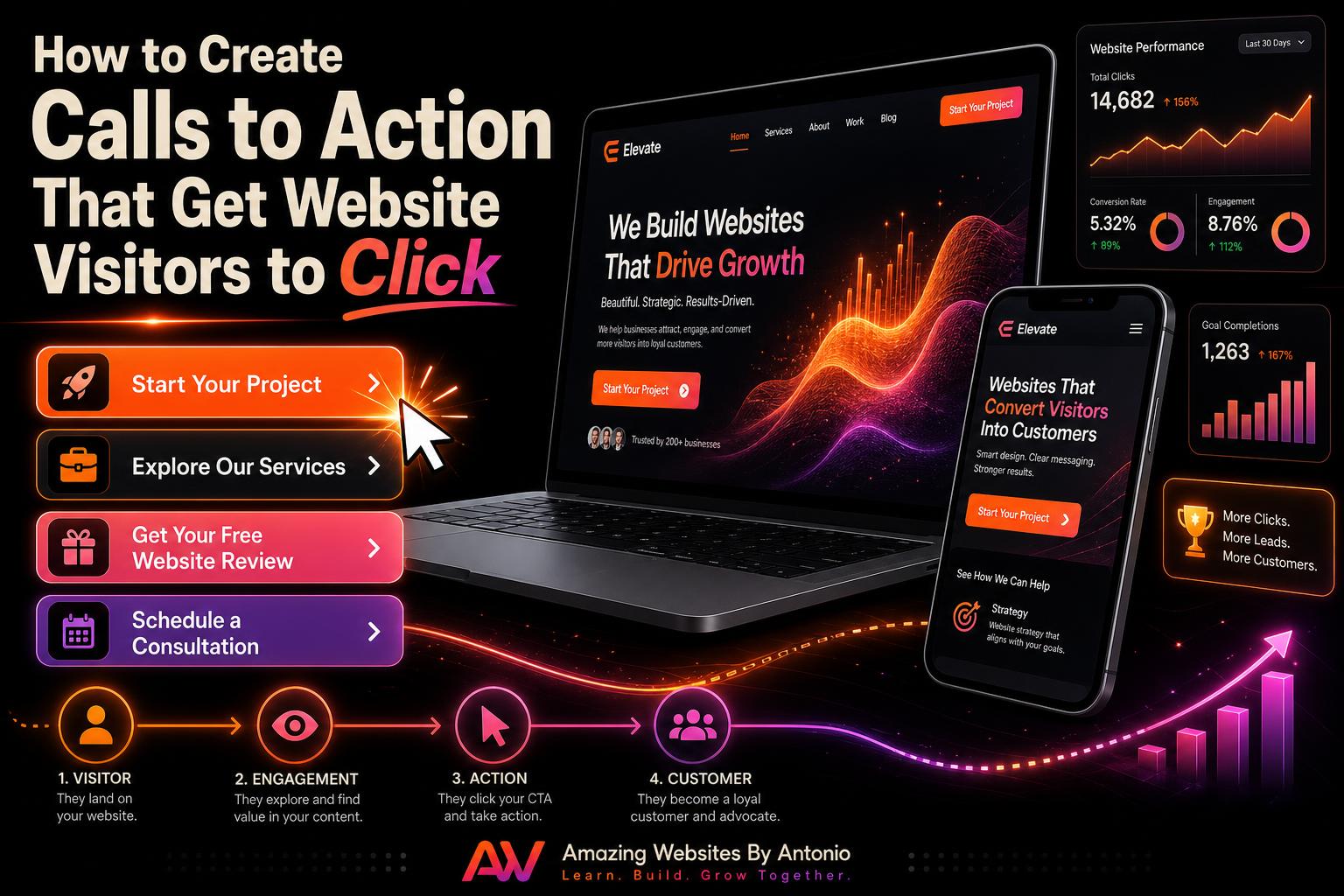
A strong call to action helps guide visitors toward what you want them to do next. Learn how to create CTAs that are clear, helpful, and more likely to encourage clicks.

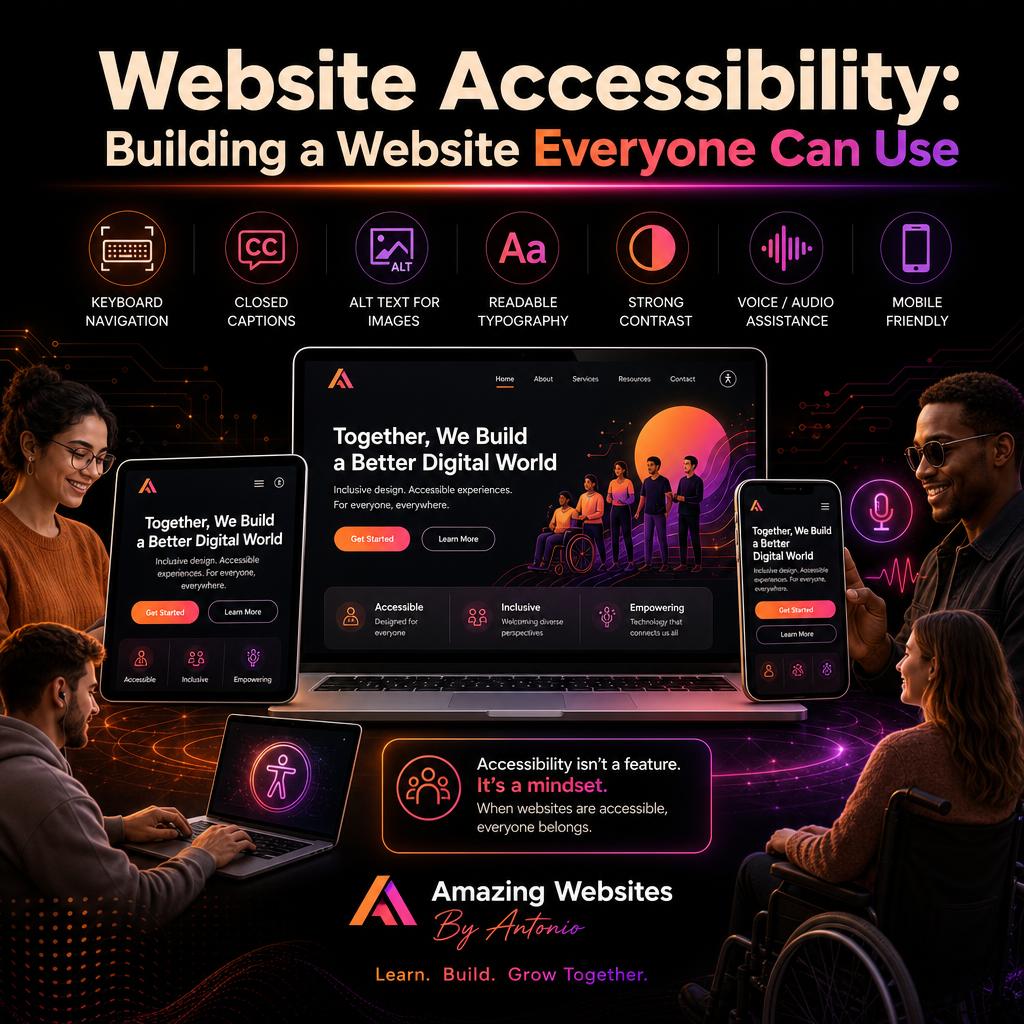
Practical ways businesses can make their websites more accessible, readable, and welcoming for every visitor.

Discover 10 warning signs that your business website may need a redesign — and how a fresh digital presence can help your business grow.

Getting people to visit your website is an important achievement. But attracting visitors is only the beginning. The real goal is building relationships that encourage people to return, engage with your content, trust your expertise, and eventually become loyal customers.

SEO can feel overwhelming at first, but it doesn't have to be. Learn simple, practical steps to help your business get found on Google.

Blogging remains one of the most valuable tools a business can use to educate customers, improve search visibility, build trust, and create long-term growth. Here's why every business should have a blog.

Discover the most common website mistakes that drive visitors away — and how fixing them can turn more browsers into buyers.

Discover how AI can help small businesses automate repetitive tasks, improve customer service, create content, and make smarter decisions—without replacing the human touch.

Your website content is the voice of your business. Learn why high-quality content builds trust, improves SEO, and helps turn visitors into customers.

Building a website is only the beginning. Learn how to create a complete online presence that gets noticed, builds trust, and leaves a lasting impression.

Protect your business website with these practical cybersecurity tips every small business owner should follow, from HTTPS and strong passwords to backups and phishing awareness.

Professional branding isn't about looking fancy—it's about communicating clearly and consistently so customers recognize, remember, and trust your business before they ever contact you.

AI chatbots give small businesses a practical way to answer common questions, guide visitors, capture leads, and provide help after hours—without replacing the human touch.

Your contact page is where visitors become conversations. Learn what to include—welcoming headline, simple form, trust signals, clear CTA, and more—to turn more visitors into leads.

A slow website can cost you customers before they ever see what you offer. Learn why website speed is a business issue and how to make your site faster.

Building a memorable brand isn't about becoming the biggest company in the world. It's about creating a clear, consistent identity that helps the right customers recognize you, understand what you offer, and remember you when they need your services.

Today, mobile devices have become the primary way people browse the internet. If your website isn't designed for mobile users, you may be losing valuable opportunities before visitors even learn about your business.

SEO doesn't have to be complicated. Learn the key principles every small business owner needs to know to build a stronger online presence and attract more customers from search.

A well-designed landing page has one clear purpose: guide visitors toward a single action. Learn the key ingredients that make a landing page convert — from powerful headlines to clean design and simple forms.

Is your website helping or hurting your business? Discover five clear signs it's time for a redesign—and why updating your site is one of the smartest investments you can make.

AI is no longer just for big tech. Here is how businesses of every size can use AI to build smarter, more helpful websites — without losing the human touch.

Learn why a professional website is one of the smartest investments a small business can make. Discover how it builds trust, attracts customers, and supports long-term growth.

Discover the top website trends shaping 2026. Learn how AI, mobile-first design, accessibility, speed, and branding can help your business attract more customers online.

Today marks an exciting milestone in the journey of Amazing Websites By Antonio. Version 3.0 isn't simply an update to a website—it's the next chapter in our mission to help people learn, build, and grow together.

Discover how artificial intelligence is helping businesses plan, build, and maintain websites that are faster, smarter, and more personalized for visitors.

A special thank-you to our community as we celebrate a birthday milestone and reflect on the journey of building Amazing Websites By Antonio.

Your website is often the first impression customers get. Discover the ten essential features every small business website should include in 2026 to build trust, boost engagement, and turn visitors into loyal customers.

Artificial Intelligence is becoming an essential skill for entrepreneurs. Learn how small businesses can use AI responsibly to save time, improve customer experiences, and grow.

Learn why user experience (UX) is essential for small business websites and how simple design choices can help visitors stay longer, trust your brand, and take action.

Choosing the right website platform shapes how your business grows online. Learn how to evaluate goals, ease of use, growth, mobile, SEO, and performance.

Discover what prompt engineering is, why it matters, and how writing better prompts can help you get more useful, accurate, and creative results from AI tools.

Learn the fundamentals of Search Engine Optimization (SEO) and discover simple, practical ways to help your website get found on Google.

A memorable brand is more than a logo. Learn how purpose, consistency, visual identity, brand voice, storytelling, and customer focus help small businesses build trust and recognition online.

Your website is often the first impression people have of your business. Here are ten common mistakes that quietly cost you customers—and how to fix them.

Artificial Intelligence is no longer just for large corporations. Learn how small business owners can use AI to save time, improve productivity, and grow with confidence.

Technology evolves daily. Here's why lifelong learning is the most valuable investment you can make for your business, brand, and digital confidence.

Discover the 10 essential elements every business homepage needs, from clear headlines and strong calls-to-action to trust signals and mobile-friendly design.

AI isn't about replacing people — it's about helping small business owners work smarter. Here are 7 practical ways AI can save you hours every week.

A website introduces your business, but your brand tells your story. Here's why a strong, consistent online brand is what turns visitors into loyal customers.

Getting people to visit your website is only half the battle. The real goal is turning those visitors into paying customers. Here are five essential website features that can help increase conversions and grow your business.

Discover how a professional website can answer common questions, automate inquiries, showcase your portfolio, and act as a 24/7 marketing partner for your business.

The answer depends on your goals, your budget, your available time, and the type of website your business needs. Both options have advantages, but understanding the differences can help you make the right decision.

Your website is one of the most valuable marketing tools your business owns. Here are eight common mistakes small businesses make—and how to avoid them.

When business owners start thinking about a new website, one of the first questions they ask is, "How much will it cost?" While budget is important, the better question is, "What does my business actually need?" The truth is that the most expensive website isn't always the best website.

From AI-powered customer support to mobile-first design and accessibility, here are ten website trends every business owner should know in 2026.

A professional website builds trust, answers customer questions, and influences buying decisions before you ever speak to a prospect.

Launching a professional website is an exciting milestone, but your work doesn't end once your website goes live. Just like a vehicle needs regular maintenance to perform at its best, your website also needs ongoing care to remain secure, fast, and effective.

AI is not a replacement for small business owners—it's a powerful tool that can help you work smarter, save time, and grow your business.

Have you ever visited a website and immediately clicked the back button? Most people have. Here are ten common reasons people leave websites so quickly—and how you can avoid them.

An outdated website can quietly cost your business new customers, reduce credibility, and limit growth. Discover the hidden costs and why a modern website is a smart investment.

Local SEO helps small businesses show up when nearby customers search for their services. Here's why investing in Local SEO is one of the smartest marketing moves you can make.

Your website shapes customer opinions long before they contact you. Learn how design, trust signals, speed, and content influence buying decisions.

Your website is one of your business's most valuable marketing tools, but like any tool, it needs regular attention. If your website hasn't been updated in a while, it could be costing you potential customers without you even realizing it. Here are seven signs that it's time for a website refresh.

Imagine having an employee who works 24 hours a day, 7 days a week, never takes a vacation, never calls in sick, and is always ready to help potential customers. That's exactly what a professional website does for your business.

Every business has a story, and this is mine. Learn how Antonio Humann turned a passion for creativity and AI into a mission to help businesses build confidence online.

When potential customers visit your website, one of the first questions they often ask is, "Can this business really deliver what they promise?" An online portfolio is one of the best ways to answer that question. It provides real examples of your work, demonstrates your skills, and builds confidence before a customer even contacts you.

AI-powered marketing tools help businesses save time, create better content, and connect with customers more effectively. Learn how AI can enhance your marketing strategy while keeping your brand authentic.

If you're thinking about creating a website or updating your current one, you're not alone. Many business owners have similar questions about websites, design, SEO, and digital marketing. Here are some of the most common questions—and their answers.

Many business owners wonder whether they should focus on their website or their social media accounts. The truth is that the most successful businesses use both.

Many business owners view a website as an expense, but a professional website should be considered an investment. A well-designed website can help attract customers, build trust, generate leads, and support long-term business growth. Unlike many forms of advertising that stop producing results once the campaign ends, a professional website continues working for your business around the clock.
Artificial Intelligence is rapidly changing the way websites are designed, built, and managed. What once required extensive coding and manual processes can now be accomplished more efficiently with the help of AI-powered tools. As technology continues to evolve, AI is expected to play an even greater role in shaping the future of website development.

In today's fast-paced digital world, people expect websites to load quickly. Visitors want information immediately, and if a website takes too long to load, many users will leave and look elsewhere. Website speed plays a major role in customer satisfaction, search engine rankings, and overall business success.

Every successful website has one thing in common: it tells visitors what to do next. This is where a call-to-action, often referred to as a CTA, becomes important. A call-to-action is a message that encourages visitors to take a specific step, such as contacting your business, requesting a quote, scheduling a consultation, or making a purchase.

People connect with stories. Long before the internet and social media existed, stories were used to share experiences, inspire others, and build relationships. In business, storytelling remains one of the most effective ways to connect with customers and create a memorable brand.

In today's digital world, having a strong online presence is essential for businesses of all sizes. Whether you're a small business owner, entrepreneur, artist, or nonprofit organization, your online presence plays a major role in how customers discover, trust, and interact with your brand.

In today's digital world, trust plays a major role in a customer's decision-making process. Before purchasing a product or hiring a service, many people look for proof that others have had positive experiences. This is why customer testimonials are one of the most powerful tools a business can use to build credibility and attract new customers.

Many business owners underestimate the power of blogging. While social media and advertising are important, blog posts provide a long-term strategy for attracting visitors, building trust, and improving search engine rankings. A blog can become one of the most valuable tools for growing your business online.

Your website is one of the most important tools for promoting your business and connecting with customers. However, simply creating a website and leaving it unchanged for months or years can limit its effectiveness. Regular website updates help keep your content fresh, improve search engine rankings, and create a better experience for visitors.

Search Engine Optimization, commonly known as SEO, is one of the most important tools for growing a business online. SEO is the process of improving your website so that it appears higher in search engine results when people search for products, services, or information related to your business.

The internet has created incredible opportunities for small businesses. In the past, larger companies often had advantages due to bigger marketing budgets and greater resources. Today, however, small businesses can compete successfully online by focusing on strategy, customer experience, and building a strong digital presence.

Artificial Intelligence is transforming the way businesses create content and connect with customers. What once required hours of writing and brainstorming can now be accomplished more efficiently with the help of AI tools.

Building customer loyalty takes time, trust, and consistency. One of the most effective ways to strengthen customer relationships is through consistent branding. When customers recognize your business and know what to expect, they are more likely to return and recommend your business to others.

Branding is more than a logo—it is the personality of your business. Strong branding helps customers recognize, trust, and remember your company in a competitive market.

A professional contact page helps generate leads, build trust, and improve customer communication. Learn why every business website needs a well-designed contact page.

In today's crowded online marketplace, simply having a website is not enough. Businesses need websites that capture attention, build trust, and encourage visitors to take action.
Common website design mistakes like cluttered layouts, slow loading speeds, poor mobile optimization, and confusing navigation can drive potential customers away. Learn how to fix these issues and create a website that attracts visitors and converts them into customers.

Artificial Intelligence is no longer reserved for large corporations. Discover how small businesses are using AI to improve efficiency, save time, and provide better customer experiences.

A business website is one of the most powerful tools for attracting customers, building credibility, and growing your brand. Discover the top 10 essential features every website needs to stand out online.

Trust is the foundation of every customer relationship — and your website is often where it starts. Here's how a great site builds confidence and turns visitors into loyal customers.
Your website is the first impression customers get of your business. Here is why a modern, AI-powered site is no longer optional.
People remember stories, not sales pitches. Learn how sharing your journey can build trust and turn casual visitors into loyal customers.
AI isn't just for big tech anymore. Here's how small businesses are using it to win more customers without bigger budgets.
A real case study on transforming a cluttered, outdated restaurant website into a clean, conversion-focused experience in just seven days.
Your brand is more than a logo. These five common mistakes are quietly costing small businesses customers — and trust.
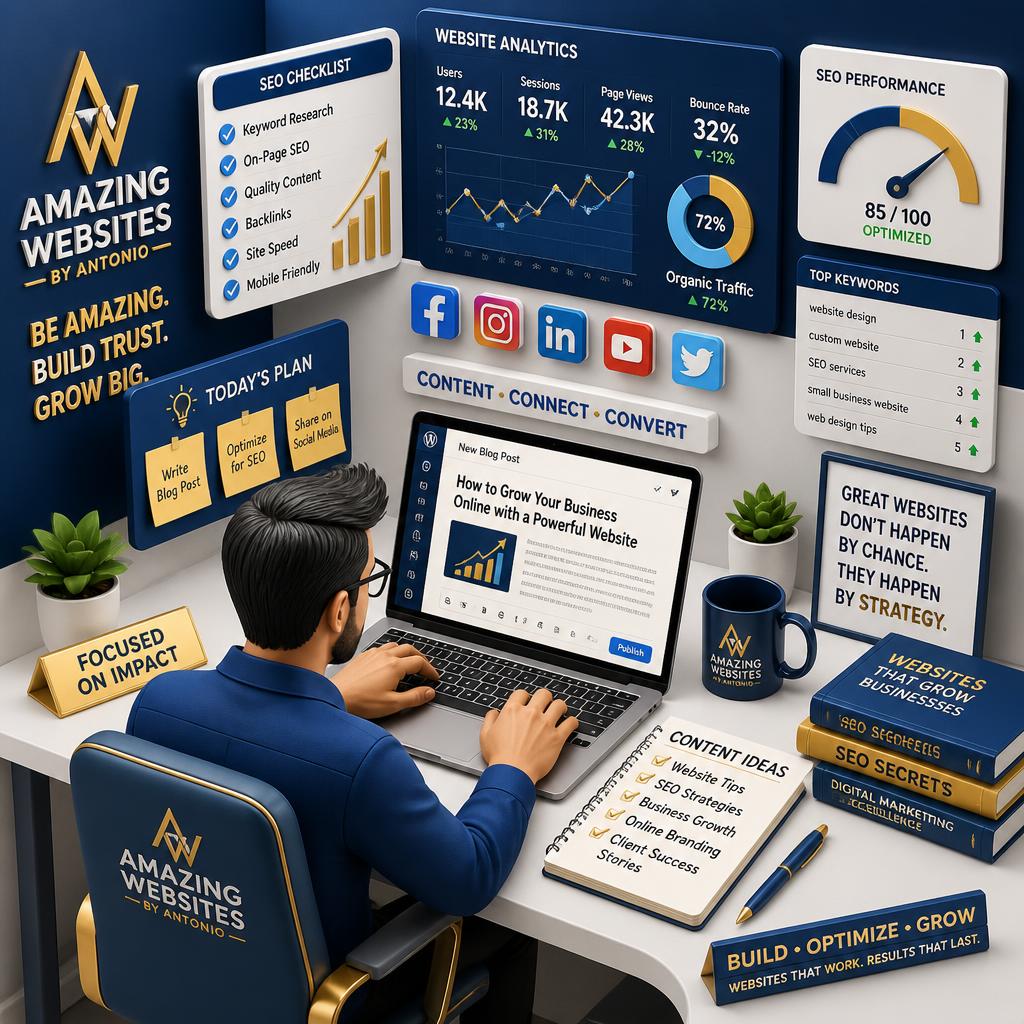
Struggling to come up with blog topics? Here are 10 proven content ideas that attract visitors, build authority, and actually convert readers into customers.
You don't need a huge ad budget to dominate your local market. Here's the lean playbook that actually works in 2026.
After building and launching over 50 small business websites, here are the patterns, mistakes, and wins that keep showing up — and what they mean for your next site.
Before you spend a dollar on ads, make sure your website passes this checklist. Most small business sites fail at least half of it.
A simple journaling practice can unlock better ideas, sharper decisions, and clearer branding. Here is how to start — and why it works.